
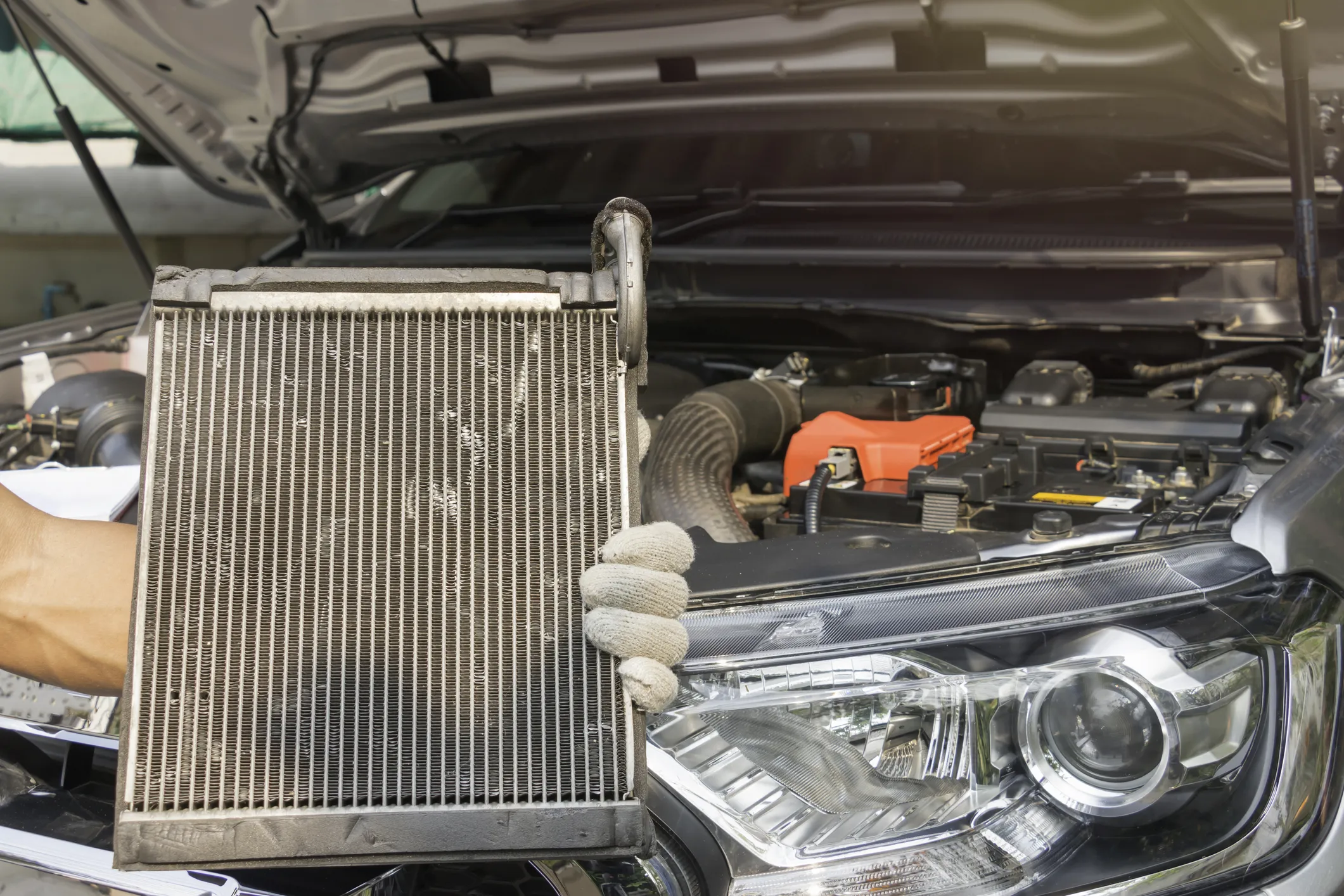
Radiator - Cooling System & Overheating Repair in Virginia Beach
Temperature gauge rising? Coolant leaking? Steam under the hood?
Beach Auto & Transmission Repair diagnoses overheating and coolant-loss problems before recommending parts. We test the cooling system, identify the source of the problem and explain what needs attention before repairs begin, from radiator repair and water pump service to thermostat and cooling fan diagnosis.
Is your car overheating right now?
Find the description that matches what your vehicle is doing, then take the next step.
Red · Stop driving
- Temperature gauge in the red
- Overheat warning displayed
- Steam coming from under the hood
- Rapid coolant loss
- Severe coolant leak
Continuing to drive an overheating engine can cause serious engine damage. Move to a safe location and shut the engine off as soon as it is safe to do so.
Yellow · Get it checked soon
- Temperature running higher than normal
- Coolant level repeatedly dropping
- Sweet coolant smell
- Small coolant leak
- Cooling fan behaving abnormally
- Temperature fluctuating
The vehicle is telling you something is wrong before it strands you. Testing now keeps a cooling-system concern from becoming an engine concern.
An Overheating Engine Doesn't Automatically Need a Radiator
Many different problems can cause overheating or coolant loss, and several of them produce identical symptoms. Replacing the part a symptom suggests is how people end up paying twice.
- Low coolant
- External coolant leak
- Thermostat problem
- Water pump problem
- Cooling fan failure
- Fan-control fault
- Radiator restriction or damage
- Pressure-cap problem
- Air trapped in the system
- Coolant-temperature sensor or input issue
- Heater-core leak
- Hose failure
- Internal engine leak
- Combustion-gas intrusion
- Head-gasket concern
- Engine mechanical problem
Cooling System Warning Signs You Shouldn't Ignore
What you notice, what it could mean and what to do next.
Engine Overheating
- What you notice
- The gauge reaches the red zone or the engine is visibly running hot.
- What it could mean
- Coolant loss, restricted flow, a fan or control fault, or an engine-related concern.
- What to do
- Move to a safe location, shut the engine off and call us for guidance.
Temperature Gauge Higher Than Normal
- What you notice
- The needle sits above its usual position but has not reached overheating.
- What it could mean
- Early coolant loss, thermostat operation, fan behavior or airflow restriction.
- What to do
- Have the cooling system evaluated promptly.
Overheat Warning Message
- What you notice
- The instrument cluster displays an overheating or coolant warning.
- What it could mean
- The vehicle has detected a temperature or coolant condition outside its normal range.
- What to do
- Stop driving when safe and have the system tested before further use.
Steam From Under the Hood
- What you notice
- Vapor rising from the engine compartment, often with a sweet smell.
- What it could mean
- Coolant is escaping under pressure and contacting hot components.
- What to do
- Shut the engine off. Do not open a hot cooling-system cap.
Coolant Leaking
- What you notice
- Colored fluid under the vehicle or residue on engine components.
- What it could mean
- An external leak somewhere in the cooling circuit. The puddle location does not identify the part.
- What to do
- Schedule a leak diagnosis before the loss becomes an overheat.
Coolant Level Keeps Dropping
- What you notice
- You keep adding coolant between visits.
- What it could mean
- An external leak, a concealed leak, or in some cases an internal engine leak. Testing is required.
- What to do
- Have the source identified rather than continuing to top it off.
Sweet Coolant Smell
- What you notice
- A sweet odor outside the vehicle or inside the cabin.
- What it could mean
- Coolant is escaping somewhere. Cabin odor can point toward the heater circuit.
- What to do
- Schedule an inspection to locate the source.
No Heat Inside the Cabin
- What you notice
- The heater blows cool air once the engine is warm.
- What it could mean
- Coolant level, thermostat operation, trapped air, heater core or an HVAC control concern. It does not automatically mean coolant loss.
- What to do
- Have the cause identified before parts are replaced.
Cooling Fan Running Constantly
- What you notice
- The fan runs at high speed continuously, including on cool days.
- What it could mean
- Fan control, sensor input, coolant level or an underlying temperature condition.
- What to do
- Schedule a diagnosis so the underlying condition is not masked.
Cooling Fan Not Running
- What you notice
- The fan never engages when the engine is hot or the AC is on.
- What it could mean
- Fan motor, relay, fuse, wiring, fan clutch or control-side fault.
- What to do
- Have fan operation and fan command verified before driving in traffic.
Overheats Mainly at Idle or in Traffic
- What you notice
- Temperature climbs when stopped and recovers when moving.
- What it could mean
- Airflow-related conditions are common here, including fan operation and radiator airflow.
- What to do
- Schedule fan and cooling-system testing.
Overheats at Highway Speed
- What you notice
- Temperature rises under sustained load or at speed.
- What it could mean
- Coolant flow, thermostat, water pump, coolant loss, restriction or an internal engine concern.
- What to do
- Stop when safe and have the system tested before further highway driving.
Temperature Fluctuates
- What you notice
- The gauge rises and falls rather than holding steady.
- What it could mean
- Thermostat operation, trapped air, coolant level or circulation concerns.
- What to do
- Schedule a diagnosis while the vehicle is still drivable.
Persistent White Exhaust With Coolant Loss
- What you notice
- White exhaust that continues after the engine is fully warm, along with disappearing coolant.
- What it could mean
- May indicate an internal coolant leak. A brief white vapor right after a cold start can be normal condensation.
- What to do
- Have internal-leak testing performed before further driving.
Symptom, Common Possibilities and What We Test
Cooling-system testing is selected based on symptoms, vehicle design and initial findings. Not every vehicle requires every test.
Overheats mostly in traffic
- Cooling fan operation
- Fan relay or control
- Low coolant
- Airflow restriction
- Other cooling-system fault
- Fan operation and fan command
- Coolant level
- Temperature data
- Overall system condition
Overheats at highway speed
- Coolant flow problem
- Thermostat
- Water pump
- Coolant loss
- Radiator restriction
- Internal engine concern
- Cooling-system performance testing selected for the vehicle and the reported symptoms
Coolant on the ground
- Hose
- Radiator
- Water pump
- Reservoir
- Housing
- Gasket
- Other external leak
- Visual inspection
- Pressure testing where appropriate
- UV dye when needed
Losing coolant with no obvious external leak
- Concealed external leak
- Heater core
- Internal engine leak
- Combustion-gas intrusion
- Intermittent pressure leak
- Inspection first, then additional testing selected based on what we find
No heat inside the vehicle
- Low coolant
- Thermostat
- Air in the system
- Heater core
- Blend-door or HVAC problem
- Temperature data
- Coolant level and condition
- Heater-circuit and HVAC checks as indicated
White exhaust vapor
- Normal condensation immediately after a cold start in some conditions
- Persistent white exhaust once fully warm, especially with coolant loss or overheating, may indicate an internal coolant leak
- Confirm when the vapor occurs
- Coolant-loss evaluation
- Internal-leak testing when indicated
| Symptom | Common possibilities | What we test |
|---|---|---|
| Overheats mostly in traffic |
|
|
| Overheats at highway speed |
|
|
| Coolant on the ground |
|
|
| Losing coolant with no obvious external leak |
|
|
| No heat inside the vehicle |
|
|
| White exhaust vapor |
|
|
How We Diagnose an Overheating or Coolant-Loss Problem
We select the appropriate tests based on the vehicle, the symptoms and what we find. Not every vehicle requires every test.
Verify the concern
When does it overheat: idle, traffic, highway or under load? Is the AC on? How quickly is coolant lost? Was the vehicle recently repaired? Has it overheated before?
Initial safety and cooling-system inspection
Before any vehicle is operated, we check whether it can be run safely: coolant level, visible leaks, hoses, reservoir, radiator, obvious damage, signs of oil and coolant contamination, and warning lights. An actively overheating vehicle is not automatically road tested.
Computer data and temperature evaluation
Where appropriate we scan for related faults, review coolant-temperature data, review cooling-fan commands and compare the reported symptoms against operating data.
Pressure and leak testing when appropriate
Cooling-system pressure testing is used when it is indicated to help locate an external leak, with UV dye where necessary. Not every vehicle needs a pressure test.
Component testing based on findings
Thermostat, water pump, cooling fan, fan relay or control, temperature sensors, radiator, pressure cap and coolant circulation are evaluated as the findings direct.
Internal engine testing when indicated
If symptoms point toward an internal coolant leak or combustion-gas intrusion, additional testing may be recommended, such as combustion-gas or block testing, pressure-behavior evaluation, compression testing or leak-down testing. This is not performed on every vehicle.
Road test when safe and useful
We road test only when the vehicle can be operated safely, the test is diagnostically useful and conditions allow. Some intermittent cooling problems only appear under specific operating conditions.
Findings and written estimate
Findings are documented, with digital inspection photos and notes where applicable, followed by a written estimate. No repairs are performed without your authorization.
We Find the Source Before Replacing Parts
A puddle under the vehicle does not automatically identify the failed component, because coolant can travel along engine components, splash shields and underbody surfaces before it reaches the ground.
We inspect the cooling circuit, use pressure testing where appropriate and UV dye when needed, so the repair addresses the actual leak point.
- Radiator
- Upper and lower hoses
- Reservoir / expansion tank
- Water pump
- Thermostat housing
- Heater hoses
- Heater core
- Coolant crossover pipes
- Gaskets and seals
- Pressure cap
- Other vehicle-specific components
External Coolant Leak or Internal Engine Problem?
External coolant leak
- Visible coolant
- Drips under the vehicle
- Sweet smell
- Low reservoir level
- Dried residue
- Wet components
Hose · Radiator · Water pump · Reservoir · Housing · Gasket · Heater core
Possible internal coolant loss
- Repeated coolant loss with no obvious external leak
- Persistent white exhaust when fully warm
- Cooling-system pressure abnormalities
- Overheating
- Coolant and oil contamination in some cases
- Misfire under some conditions
No single symptom proves a head-gasket failure. Testing is required.
Cooling-System Services We Perform
Organized by the problem you are dealing with. Coolant service follows the manufacturer's procedure and coolant type for your vehicle rather than a universal flush.
Coolant leaks
- Radiator repair and replacement
- Water pump service
- Hose replacement
- Reservoir / expansion tank replacement
- Thermostat housing repairs
- Pressure-cap related repairs
- Vehicle-specific gasket and seal leaks
Overheating
- Thermostat diagnosis and replacement
- Water pump diagnosis and replacement
- Cooling fan diagnosis and repair
- Radiator diagnosis and replacement
- Cooling-system diagnostics
- Internal engine testing when indicated
Cooling-system maintenance
- Coolant service using the manufacturer-specified coolant type
- Manufacturer-recommended cooling-system maintenance
- Cooling-system inspection
Do I Actually Need a New Radiator?
Sometimes yes. Often the radiator is not the problem at all.
Radiator replacement may be appropriate for
- Confirmed radiator leaks
- Cracked tanks
- Damaged fittings
- Internal restriction
- Severe corrosion
- Physical damage
- Other verified radiator failure
But overheating may instead be caused by
- Fan system
- Thermostat
- Water pump
- A coolant leak elsewhere
- Air trapped in the system
- A control-side issue
- An internal engine concern
We don't replace the radiator simply because the vehicle overheats.
Can I Keep Driving If My Car Is Overheating?
If the temperature gauge reaches the red zone, an overheating warning appears, or steam is coming from the engine compartment, continuing to drive can cause serious engine damage. Move to a safe location and shut the engine off as soon as it is safely possible.
Do not open the cooling-system cap while the system is hot or pressurized. If the temperature is merely running somewhat higher than normal but has not reached an overheating condition, the vehicle still deserves prompt inspection.
Why You Shouldn't Keep Driving an Overheating Vehicle
Engines are designed to operate within a controlled temperature range. Significant overheating can damage gaskets, cylinder heads and other engine components.
Head-gasket damage
Sustained high temperature can compromise the seal between the cylinder head and the block.
Cylinder-head distortion or damage
Aluminum cylinder heads can distort when operated well above their designed temperature range.
Engine component damage
Gaskets, seals, sensors and related components can be affected by excessive heat.
Oil breakdown and lubrication concerns
High temperature can degrade engine oil and reduce the protection it provides.
Complete engine failure in severe cases
Severe or repeated overheating can result in damage that requires major engine repair.
Stranding and towing
An overheating vehicle can leave you stopped on the road and needing a tow.
Typical Cooling System Repair Investment Ranges
Honest starting prices. Every vehicle receives a written estimate before any work begins.
Full diagnostic with pressure test
- Road test + pressure test + leak inspection
- Thermostat, water pump & fan evaluation
- Digital inspection sent to your phone
- Diagnostic fee may apply toward repair
Actual pricing depends on vehicle make, model, engine design, parts availability, and additional repairs required. Every vehicle receives a written estimate before repairs begin. No work is performed without customer approval. Labor rate $175/hr.
Why Choose Beach Auto & Transmission Repair for Overheating & Cooling-System Problems?
Diagnostic-first approach
We determine why the system is overheating before recommending parts.
Advanced testing
Pressure, scan-data, leak, temperature and component testing selected for the problem in front of us.
Engine and cooling expertise
Cooling problems can become engine problems. We handle both under one roof.
Digital vehicle inspections
See documented findings with photos and notes where applicable.
Written estimates
Know what is recommended, and why, before repairs begin.
Same-day appointments when available
Urgent cooling concerns receive scheduling priority when capacity allows.
Warranty
Our 36-month / 36,000-mile warranty on qualifying repairs.
Cooling-System Repair for Domestic, Asian & European Vehicles
Cooling-system design varies by manufacturer, so the testing and the service procedure have to match the vehicle in front of us.
BMW, Mercedes-Benz, Audi, Land Rover
Many models use complex cooling circuits with electric pumps and electronically controlled components, so testing has to include the control side, not just the mechanical parts.
Honda, Toyota, Acura, Lexus
Cooling-system layouts, bleed procedures and coolant specifications vary by model and engine, and the maintenance requirements follow the manufacturer's schedule rather than a universal interval.
What Our Customers Say
Verified Google reviews from Beach Auto & Transmission Repair customers. Cooling-system and overheating reviews appear first when we have them.
Don't Risk Engine Damage From Overheating
Schedule professional cooling system diagnostics today and let our ASE-certified technicians identify the problem before it becomes an expensive engine repair.
Same-day appointments available.
Car Overheating Repair in Virginia Beach
A vehicle running hot is one of the few problems that gets more expensive by the mile. Here is what to watch for, what usually causes it, how we diagnose it and why you should stop driving before the gauge reaches the red.
Overheating symptoms drivers bring us
- Temperature gauge climbing past the midpoint or into the red
- Overheating or low-coolant warning light on the dash
- Steam or a sweet coolant smell from under the hood
- Coolant loss with no puddle you can find
- Green, orange or pink fluid under the front of the vehicle
- Heater blowing cold, or heat only at highway speed
- Cooling fan running constantly, or never running at all
- Engine losing power or the vehicle going into reduced-power mode
Common causes of a vehicle running hot
- Coolant loss from a hose, radiator, water pump seal or reservoir
- Thermostat stuck closed, restricting flow to the radiator
- Cooling fan, relay, fuse, wiring or fan clutch failure
- Water pump with a worn bearing or a failed impeller
- Radiator internal restriction, corrosion or a cracked end tank
- A failed pressure cap lowering the system boiling point
- Air trapped in the system after a previous coolant service
- Heater core or intake gasket leak, or an internal engine leak
Our overheating diagnostic process
- 1Verify the complaint with a road test and live temperature data.
- 2Check coolant level, condition and the correct coolant type for your vehicle.
- 3Pressure test the cooling system and use UV dye when a leak is hidden.
- 4Test thermostat operation, water pump condition and radiator flow.
- 5Command the cooling fan and verify it actually runs, at temperature and with the AC on.
- 6Scan for temperature-sensor and fan-control faults on the control side.
- 7Test for combustion gas in the coolant only when findings point that way.
- 8Give you a written estimate and repair only what testing confirmed.
Why you should stop driving an overheating vehicle
Once coolant temperature climbs past its designed range, aluminum cylinder heads warp, head gaskets fail and, in severe cases, the block itself cracks. The repair that was a thermostat, a hose or a cooling fan in the morning can become engine repair or replacement by the afternoon. Overheating also cooks automatic transmission fluid on vehicles with a radiator-mounted transmission cooler.
If the gauge is in the red, pull over somewhere safe, shut the engine off and let it cool completely. Never open a hot pressurized cooling system. Call us and we will tell you whether the vehicle can be driven in or should be towed.
Radiator & Cooling System Repair Near You
Beach Auto & Transmission Repair has been the trusted choice for radiator and cooling system repair in Virginia Beach since 2010. Drivers come to our shop on Virginia Beach Boulevard every week with a temperature gauge climbing toward the red, a coolant puddle in the driveway, steam under the hood, or a heater that suddenly stopped working. They all get the same treatment: a real cooling system diagnostic first, an honest recommendation second, and never a part replaced that wasn't actually failing.
Why symptom-based cooling diagnostics matter
Most overheating problems do not require a new radiator. Many drivers arrive convinced they need one because that's what the internet, a neighbor, or a chain shop told them. The actual cause is often a stuck thermostat, a failing water pump, a $35 pressure cap, a cracked plastic coolant reservoir, trapped air in the system, or a cooling fan that no longer turns on. Our ASE-certified technicians test every possible cause before recommending parts. That's the difference between honest cooling system repair and parts-swapping.
If your vehicle is overheating in Hampton Roads
If your car is overheating in Virginia Beach, Norfolk, Chesapeake, Portsmouth, or Suffolk, do not keep driving. Heat that goes into the red zone warps cylinder heads, blows head gaskets, and in extreme cases cracks the engine block, turning a $245 thermostat repair into a $7,000+ engine replacement. Pull over, let the engine cool fully, and call us. We diagnose every overheating complaint with a road test, a cooling system pressure test, a thermostat evaluation, a water pump inspection, and a cooling fan test before we recommend any repair.
Coolant leak repair: find the source first
A coolant leak is rarely just a hose. It can be a hose, a clamp, the upper or lower radiator neck, a plastic radiator end tank, the water pump weep hole, the thermostat housing, the heater core, the intake manifold gasket, a freeze plug, or the pressure cap. We use a cooling system pressure tester and UV dye when needed to expose the exact source, before quoting a single part. Repairing the wrong component is the fastest way to keep losing coolant after a "repair." Engine cooling and cabin comfort are two separate systems, so if the engine temperature is normal and only the vents blow warm, that belongs with auto AC and heating repair.
Radiator replacement in Virginia Beach
When a radiator is the actual problem, an internal clog, a cracked plastic end tank, a leaking neck, or fin damage, we install OE-quality replacements, fresh OE-spec coolant, and inspect the hoses, clamps, thermostat, water pump, and fan at the same time. Every radiator replacement is followed by a complete pressure test and a road test to confirm temperature behavior before the vehicle is returned. Most radiator replacements start at $450+ depending on vehicle, parts availability, and integrated components like the transmission cooler or fan shroud.
Water pump replacement
A failing water pump is one of the most common cooling system failures we see in Hampton Roads. The shaft seal weeps coolant from the front of the engine; the bearing whines or grinds; the plastic impeller wears smooth and circulates almost nothing. On many engines, the water pump is located behind the timing cover or is driven by the timing belt. Because much of the labor may overlap, replacing the water pump during timing belt service can make sense when recommended for that specific engine. We verify the vehicle's design and service requirements before recommending what should be replaced together. We use OE-quality water pumps with metal impellers whenever possible. Our 36-month / 36,000-mile warranty applies to qualifying repairs. See warranty terms for coverage details.
Thermostat replacement
A bad thermostat causes two opposite complaints: a thermostat stuck closed causes overheating because no coolant flows to the radiator; a thermostat stuck open causes no heat from the vents and a check engine light (typically P0128). We always verify thermostat operation before condemning it, sometimes the real problem is trapped air in the system, a bad coolant temperature sensor, or a failing water pump. Thermostat replacement on most vehicles starts at $245+ installed with fresh OE coolant.
Cooling fan repair: the #1 cause of "overheats in traffic"
If your car only overheats at idle or in slow traffic, but stays cool on the highway, the cooling fan is almost always the culprit. At highway speed there is enough natural airflow through the radiator; at idle the fan has to do all the work. We test the fan motor, fan relay, fuse, fan clutch (on older trucks and SUVs), wiring, and coolant temperature sensor to identify the actual fault before replacing anything.
Radiator hose replacement
Radiator hoses age from the inside out. A hose can look perfect from the outside while the inner liner is cracked, swollen, or collapsed. Hose failure usually means a sudden roadside breakdown, and on a hot engine, a serious burn hazard. We inspect every hose during a cooling system diagnostic, and we replace hoses in sets (upper, lower, heater, bypass) when one has failed, because the others are usually the same age and the same chemistry.
Coolant flush service
Coolant is more than just freeze and boil protection. It carries corrosion inhibitors that protect the water pump, radiator, heater core, and aluminum engine components. As those additives wear out, the coolant becomes corrosive itself, eating water pumps, radiator end tanks, and heater cores. A coolant flush at the manufacturer's recommended interval (typically every 60,000 to 100,000 miles, then more often) restores corrosion protection and dramatically extends the life of every component in the cooling system. We always use the OE-specified coolant for your make and model, colors are not interchangeable.
When overheating means head gasket failure
A blown head gasket can cause overheating, coolant loss with no visible leak, white smoke from the exhaust, bubbles in the coolant reservoir, or oil that looks like a chocolate milkshake. We use a combustion-gas block tester to confirm head gasket failure before quoting major work, because the symptoms above can also be caused by simpler problems like a stuck thermostat, a bad pressure cap, or trapped air. Diagnosis first, big repair last.
Areas we serve
We proudly serve drivers across Virginia Beach, Norfolk, Chesapeake, Portsmouth, and Suffolk, including the Kempsville, Lynnhaven, Pembroke, Hilltop, Town Center, Great Neck, Sandbridge, and Oceanfront neighborhoods. Whether you need a cooling system diagnostic, radiator replacement, water pump replacement, thermostat replacement, coolant leak repair, radiator hose replacement, cooling fan repair, or a coolant flush, our ASE-certified technicians are ready to help. Call (757) 600-2095, walk in to 5564 Virginia Beach Blvd, or schedule online and get your cooling system back to factory operation.
Cooling System Questions
Honest answers about overheating, radiators, water pumps, thermostats, coolant leaks, and cooling fan repair in Virginia Beach.
Related Repairs and Diagnostics
Engine Repair
When a cooling problem has already affected the engine, the same team handles the repair.
Check Engine Light Diagnostics
Coolant temperature, thermostat and cooling-fan circuit codes diagnosed properly.
Battery & Electrical Systems
Fan motors, relays and controls sit on the electrical side of the cooling system.
AC & Heating Repair
Heater-circuit and cabin-comfort concerns that overlap with cooling-system work.
Transmission Repair
Some vehicles route transmission cooling through the radiator.
Vehicle Maintenance
Scheduled maintenance, including manufacturer-specified cooling-system service.
Same-Day Auto Repair
Availability depends on shop capacity, and urgent concerns get priority when possible.
Vehicles We Service
Domestic, Asian and European makes, each with its own cooling-system design.
Find the Cause Before a Cooling Problem Becomes an Engine Problem
If your temperature gauge is climbing, coolant keeps disappearing or you see steam under the hood, don't wait for the problem to become more expensive. Beach Auto & Transmission Repair will evaluate the cooling system, determine what testing is appropriate and explain the findings before repairs begin.
5564 Virginia Beach Blvd, Virginia Beach, VA 23462 · Serving Virginia Beach, Norfolk, Chesapeake, Portsmouth and Suffolk.
Related services worth checking
Most repairs pair naturally with another service. Bundle them in one visit and save yourself a second trip.
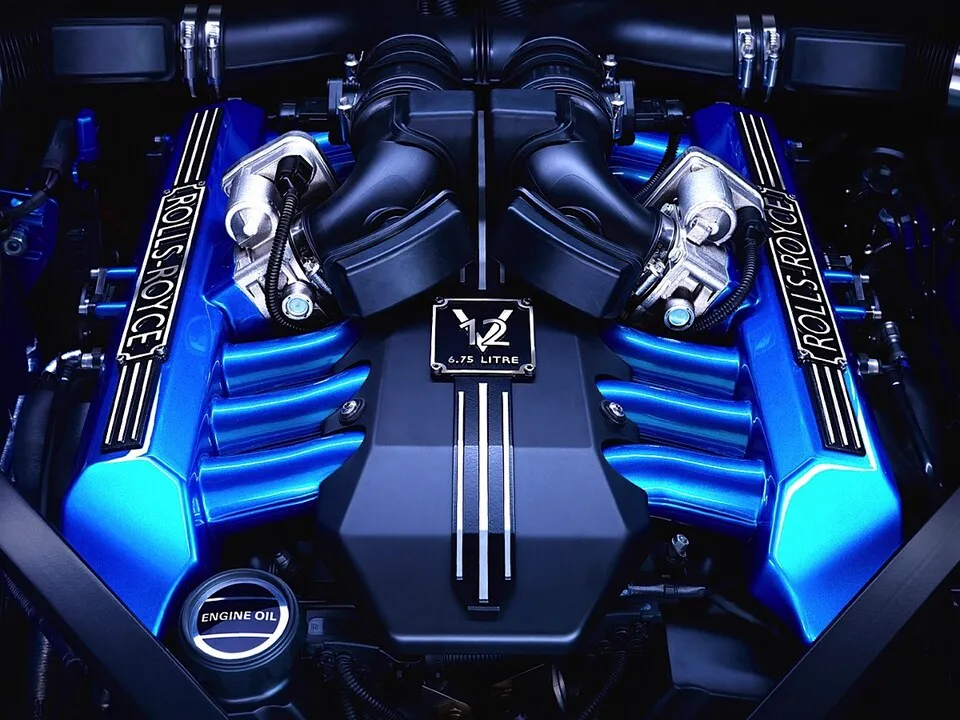
Engine Repair
Our Engine Repair services are essential for diagnosing and fixing issues within your vehicle's engine, ensuring optimal performance, fuel efficiency, and overall reliability.
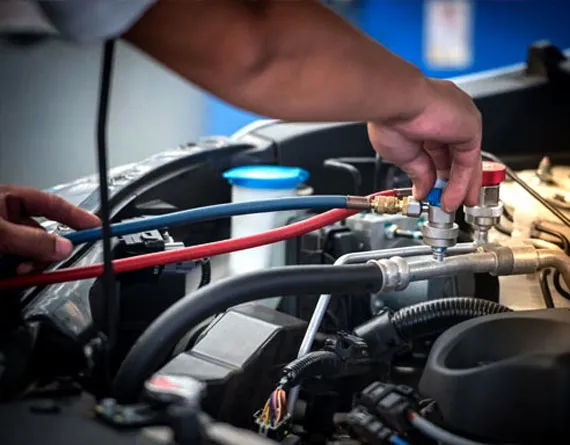
AC and Heating
Our AC and Heating services are dedicated to maintaining and repairing the heating and cooling systems in your vehicle, ensuring you can control the interior temperature for comfort, no matter the weather.
Tune Up & General Maintenance
Our Tune Up services are dedicated to fine-tuning and maintaining your vehicle's engine, ignition, and fuel systems, ensuring optimal performance, fuel efficiency, and overall reliability.