Beach Auto & Transmission Repair
4.7· 581+
ASE-certified technician performing transmission diagnostics on a vehicle in Virginia Beach
Diagnostics First. Honest Recommendations.

Transmission Repair & Diagnostics in Virginia Beach, VA

Transmission slipping? Hard shifting? Delayed engagement? Warning lights? Our ASE-certified technicians perform advanced transmission diagnostics to identify the problem before recommending repairs.

We diagnose first and recommend the most cost-effective solution.

4.7 ★ · 581+ Google Reviews
ASE Certified Technicians
Advanced Transmission Diagnostics
Digital Vehicle Inspections
Financing Available
Same-Day Appointments Available
Common transmission symptoms we diagnose:
Transmission slippingHard shiftingDelayed engagementWarning lightsFluid leaksWon't move
Honest Transmission Diagnostics
  • Computer, road, and pressure testing on every vehicle
  • Written estimate before any work begins
  • Most economical repair recommended first
  • Diagnostic fee may apply toward repair
5564 Virginia Beach Blvd
4.7 ★
581+ Google Reviews
Since 2010
Trusted in Virginia Beach
Warranty
On every repair
Transparent
Written estimates
Answers First
Before major repairs
Before You Replace, Get It Tested

Many Transmission Problems Do NOT Require Replacement

When something feels wrong with your transmission, it is natural to fear the worst. The truth is that many transmission symptoms are caused by issues that are far less expensive than a rebuild or replacement.

Low or Contaminated Fluid

One of the most common causes of slipping, harsh shifts, and delayed engagement.

Solenoids and Sensors

Small electrical components that affect shift quality and trigger warning lights.

Valve Body Issues

Pressure and shift control problems that are often repairable without a full rebuild.

Wiring and Connectors

Corroded or damaged connections that mimic major transmission failures.

Software and Calibration

Manufacturer updates that correct shift quality, shudder, and code issues.

Neglected Service

Catching wear early often means a service or repair instead of internal work.

Our first goal is identifying the root cause and recommending the most economical solution.

We diagnose first. We do not recommend replacement unless it is truly necessary.

What Is Your Vehicle Doing?

Transmission Problems We Diagnose

Most transmission problems start small. Early diagnosis usually means a smaller repair and a lower bill.

Transmission Slipping

What it means: Engine RPMs climb but the vehicle barely accelerates.

Possible causes: Low or burnt fluid, worn clutches, failing solenoids, valve body issues.

Why prompt diagnosis matters: Slipping often starts small. Catching it early can mean a fluid service or solenoid repair instead of a rebuild.

Delayed Shifting

What it means: Long pause between gear changes or when shifting into Drive or Reverse.

Possible causes: Low line pressure, solenoid wear, dirty fluid, software calibration issues.

Why prompt diagnosis matters: Delayed shifts wear internal components fast. Early diagnosis usually avoids major repairs.

Hard or Harsh Shifts

What it means: Shifts that feel jarring, clunky, or slam into gear.

Possible causes: Valve body wear, solenoid faults, faulty sensors, low fluid, electrical issues.

Why prompt diagnosis matters: Many hard-shift complaints come down to a sensor or solenoid, not a failed transmission.

Vehicle Won't Move

What it means: Engine runs but the vehicle won't go in any gear.

Possible causes: Severe fluid loss, broken linkage, internal failure, control module fault.

Why prompt diagnosis matters: Sometimes it's a shift cable or sensor, not catastrophic damage. Testing first prevents an unnecessary replacement.

Transmission Fluid Leaks

What it means: Red or brown fluid on the driveway under the front or middle of the vehicle.

Possible causes: Worn pan gasket, failing seals, loose lines, cracked cooler, axle seals.

Why prompt diagnosis matters: Low fluid is one of the most common causes of slipping and is often a cheap repair if caught early.

Burning Smell

What it means: Hot, acrid smell after driving, especially in stop-and-go traffic.

Possible causes: Overheated transmission fluid, slipping clutches, low fluid, restricted cooler.

Why prompt diagnosis matters: Overheated fluid damages internal parts quickly. Diagnosing now can avoid a rebuild later.

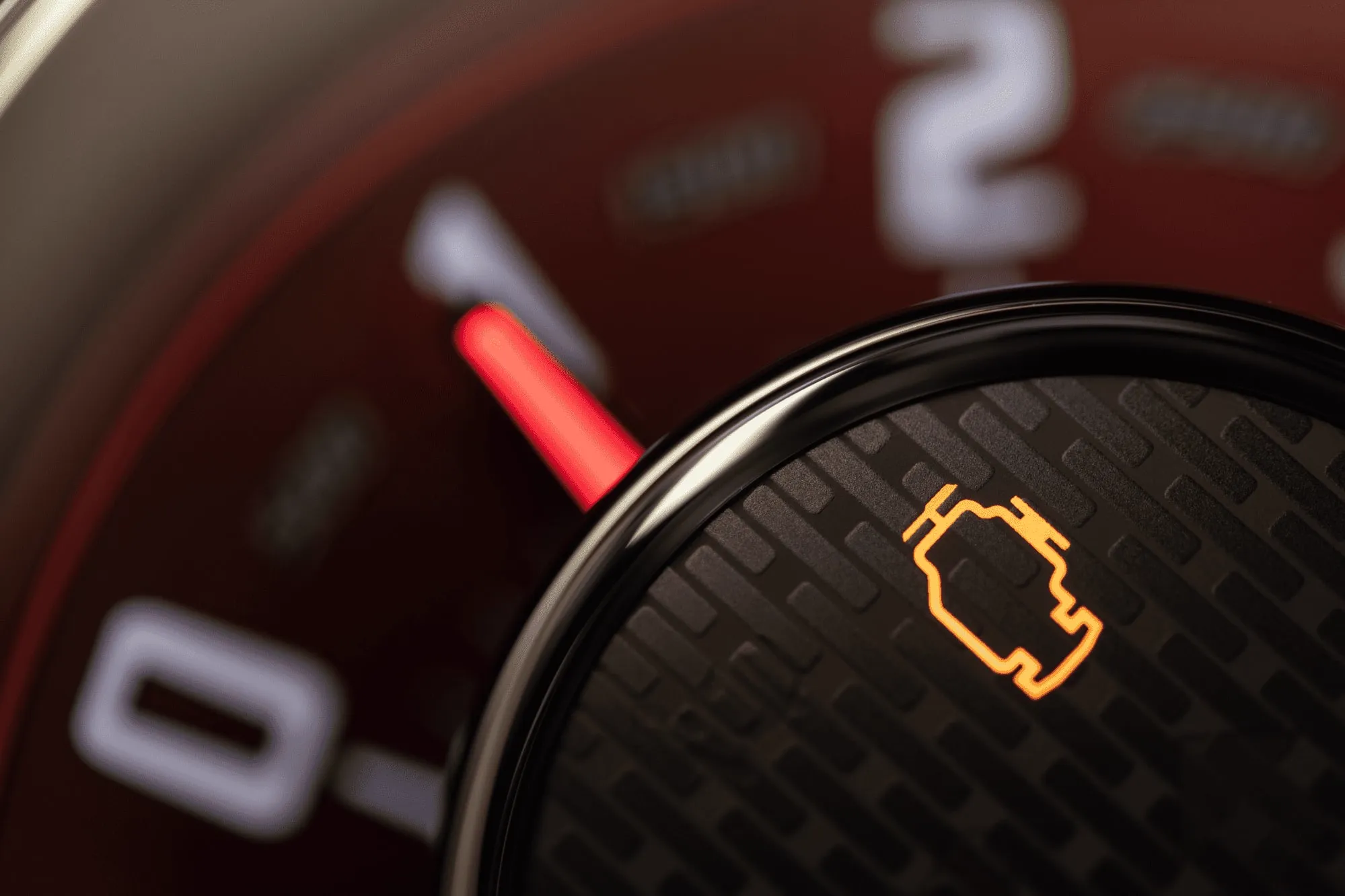
Check Engine Light

What it means: Engine warning light triggered by a transmission-related code.

Possible causes: Solenoid codes, speed sensor faults, shift quality codes, communication issues.

Why prompt diagnosis matters: Many transmission codes point to electrical or sensor issues that cost a fraction of a rebuild.

Transmission Warning Light

What it means: Dedicated transmission temperature or service light is illuminated.

Possible causes: Overheating, fluid issues, internal pressure problems, module fault.

Why prompt diagnosis matters: Driving with this light on accelerates wear. Get tested before damage becomes permanent.

Grinding or Whining Noise

What it means: Whirring, humming, or grinding that changes with speed or gear.

Possible causes: Low fluid, worn bearings, planetary gear wear, internal damage.

Why prompt diagnosis matters: Noise diagnosis early often means a service or repair. Ignored, it usually leads to internal failure.

Shaking While Accelerating

What it means: Shudder or vibration under light throttle, often around 35 to 50 mph.

Possible causes: Torque converter shudder, contaminated fluid, worn lockup clutch.

Why prompt diagnosis matters: Torque converter shudder is often resolved with proper fluid service, not a full replacement.

Transmission Overheating

What it means: Temperature warning, hot smell, or shifting that gets worse as you drive.

Possible causes: Restricted cooler, low or degraded fluid, heavy towing, internal friction.

Why prompt diagnosis matters: Heat is the fastest way to destroy a transmission. Finding the cause early protects the unit.

Limp Mode

What it means: Vehicle locks into one gear, limits speed, or refuses to shift normally.

Possible causes: Protective strategy triggered by sensor, solenoid, pressure or communication faults.

Why prompt diagnosis matters: Limp mode is the transmission protecting itself. The stored data usually points straight at the fault.

Trouble Shifting Into Gear

What it means: Gear selector resists, or the vehicle will not engage Drive or Reverse cleanly.

Possible causes: Shift cable or linkage, hydraulic pressure loss, clutch hydraulics, internal wear.

Why prompt diagnosis matters: Linkage and hydraulic issues are common and often far less expensive than internal repair.

Popping Out of Gear

What it means: Manual gearbox jumps out of gear under load or at steady speed.

Possible causes: Worn synchronizers, shift forks, detents, bearings, or linkage adjustment.

Why prompt diagnosis matters: Ignoring it accelerates gear and synchronizer wear and makes the repair larger.

Clutch Slipping or Pedal Problems

What it means: Engine revs without acceleration, or the pedal feels soft, sticky, or too high.

Possible causes: Worn clutch disc, pressure plate, hydraulic release system, leaks.

Why prompt diagnosis matters: Clutch symptoms are frequently mistaken for transmission failure. Correct diagnosis matters.

Have one of these symptoms? Schedule a diagnostic.

Our Process

Our Transmission Diagnostic Process

We follow a complete transmission diagnostic procedure on every vehicle, so you only pay for what actually needs to be fixed.

01

Concern and Symptom Review

We start with what you are experiencing, when it happens, and what changed, because the symptom guides the testing.

02

Computer Scan and Fault-Code Analysis

Scan the transmission and engine control modules for stored, pending, and historical codes. A code alone is a starting point, never the full diagnosis.

03

Fluid Condition and Level Inspection

Check level, color, smell, and condition for signs of internal wear, contamination, or overheating.

04

Visual Leak Inspection

Inspect the pan, seals, cooler lines, and axle seals to find fluid loss before it causes damage.

05

Road Test When Safe and Appropriate

Confirm the concern under real driving conditions before anything is disassembled or replaced.

06

Live Data and Sensor Analysis

Monitor commanded versus actual gear, line pressure, solenoid behavior, temperature, and sensor data.

07

Electrical and Wiring Checks When Needed

Test circuits, connectors, grounds, and control module communication that affect shift behavior.

08

Hydraulic and Pressure Testing When Appropriate

Verify line pressure and hydraulic control to separate valve body concerns from internal wear.

09

Mechanical and Internal Assessment

When testing points inside the unit, we evaluate the extent of internal damage before recommending a rebuild or replacement.

10

Recommendation and Written Estimate

Findings documented with photos and notes, then options ranked from most economical to most thorough.

Accurate Diagnosis
No Guesswork
No Unnecessary Parts
Clear Communication

Transmission Repairs We Perform

A large share of transmission complaints are solved at the repair level, without opening or replacing the unit.

  • Transmission leak repair
  • Transmission pan gasket service
  • Cooler line repair
  • Transmission sensors
  • Shift solenoids
  • Pressure-control solenoids
  • Transmission wiring and electrical diagnosis
  • Valve body diagnosis and repair
  • Transmission mounts
  • Shift linkage and cable problems
  • Transmission fluid and filter service where applicable
  • Torque converter diagnosis
  • TCM-related diagnostics
  • Relearn and adaptation procedures where applicable

Services vary by vehicle design and diagnosis. Not every repair listed here is available or appropriate on every make and model.

Know Your Options

Transmission Service vs Repair vs Rebuild vs Replacement

Four very different repair paths with very different costs. After diagnostics, we explain which is right for your vehicle and why.

Transmission Service
Best for
Preventive maintenance and healthy transmissions
Common examples
Fluid service, filter replacement, cooler line flush
Typical repair scope
Drain, refill, replace filter, road test
Expected downtime
Same day
Benefits
Extends transmission life, lowest cost option
Transmission Repair
Best for
Specific component failures with the rest in good shape
Common examples
Solenoids, sensors, leaks, valve body repair, shift cable
Typical repair scope
Targeted component replacement and recalibration
Expected downtime
Same day to a few days
Benefits
Targeted fix, lowest cost when only a component has failed
Transmission Rebuild
Best for
Internal damage where most of the unit is still usable
Common examples
Worn clutches, bands, planetary gears, internal components
Typical repair scope
Disassembly, inspection, replacement of worn parts, reassembly
Expected downtime
About one to two weeks
Benefits
Restores the original unit with new wear parts
Transmission Replacement
Best for
Severe damage, catastrophic failure, or extensive internal wear
Common examples
Cracked case, complete loss of pressure, severe internal failure
Typical repair scope
Remove and replace with reman, used, or new transmission
Expected downtime
About one to two weeks depending on parts availability
Benefits
Last resort for severe damage, restores full function

Replacement is a last resort. Most transmission concerns are resolved with a service or a targeted repair when caught early.

Does Your Transmission Need Repair, Rebuilding or Replacement?

These three paths carry very different costs. The only way to know which one your vehicle actually needs is a proper diagnosis first.

Transmission Repair

Repair often makes sense when the failure is isolated to a component and the rest of the unit is healthy.

  • Sensors and speed sensors
  • Shift and pressure-control solenoids
  • Wiring, connectors and grounds
  • Fluid leaks, pan gaskets and cooler lines
  • Valve body concerns
  • External components and linkage
  • Certain hydraulic and electronic faults
Transmission Repair & Diagnostics

Transmission Rebuild

Rebuilding is considered when internal components are damaged but rebuilding the unit is still economically and technically appropriate.

  • Clutches and bands
  • Seals and gaskets
  • Bearings and bushings
  • Drums and planetary components
  • Internal hard parts
  • Torque converter evaluation
Dedicated Transmission Rebuild Page Coming Next

Transmission Replacement

Replacement may be the better path when the damage is extensive or a rebuild no longer makes financial sense.

  • Internal damage is extensive
  • A rebuild is not economical
  • A quality remanufactured or replacement unit is a better value
  • Vehicle condition and your long-term plans support it
Dedicated Transmission Replacement Page Coming Later
Transmission Services

Transmission Services We Offer

Complete transmission care for Virginia Beach drivers, from preventive maintenance to major repairs.

Transmission Diagnostics

Full computer, road, and pressure testing before any repair recommendation.

Transmission Fluid Service

Manufacturer-correct fluid, filter, and gasket service to extend transmission life.

Transmission Leak Repair

Pan gaskets, seals, cooler lines, and axle seals diagnosed and repaired properly.

Transmission Solenoid Replacement

Targeted solenoid service for shift quality and electrical fault codes.

Valve Body Repair

Diagnose and repair pressure and shift control issues without replacing the whole transmission.

Transmission Rebuild

Complete disassembly and replacement of internal wear parts when needed.

Transmission Replacement

Reserved for severe or catastrophic failures, with quality remanufactured or OE units.

CVT Transmission Service

Specialized diagnosis and service for continuously variable transmissions.

Transmission Cooler Service

Cooler inspection, flushing, and replacement to prevent overheating damage.

Transmission Mount Replacement

Restore proper driveline alignment and eliminate clunking on engagement.

Automatic, CVT and Manual Transmission Service

Each transmission design fails differently and has to be tested differently.

Automatic Transmissions

Modern automatics are controlled electronically, so shift complaints can start in a sensor, solenoid, wiring circuit or control module long before anything internal fails. We test the electronic, hydraulic and mechanical side of the transmission so the recommendation matches the actual fault.

  • Fault-code and live-data analysis
  • Line pressure and solenoid behavior
  • Fluid condition and cooling
  • Internal wear assessment when indicated

CVT Transmissions

CVTs use a belt or chain and variable pulleys instead of fixed gears, and they need their own diagnostic approach. Similar symptoms can come from very different causes, which is why we test before recommending anything major.

  • Fluid type, level and condition
  • Pressure and hydraulic control concerns
  • Valve body faults
  • Sensors and solenoids
  • Overheating
  • Internal CVT wear or failure

Manual Transmissions

Manual gearbox concerns are usually mechanical, and clutch problems can feel exactly like a failing transmission. Diagnosing the two correctly is what keeps you from paying for the wrong repair.

  • Hard shifting or refusing to go into gear
  • Grinding and synchronizer wear
  • Bearing and gear noise
  • Shift linkage and cable problems
  • Leaks at seals and housings
  • Clutch slipping and pedal feel concerns
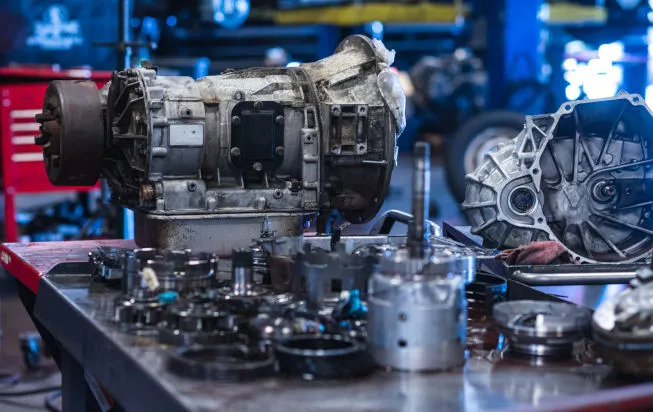
Inside Our Shop

Transmission Work in Our Virginia Beach Shop

Transmission work happens in house, and what we find gets documented and shown to you before any repair is approved.

Technician working on a transmission at Beach Auto & Transmission Repair in Virginia Beach
Transmission diagnostics and repair in our Virginia Beach shop.
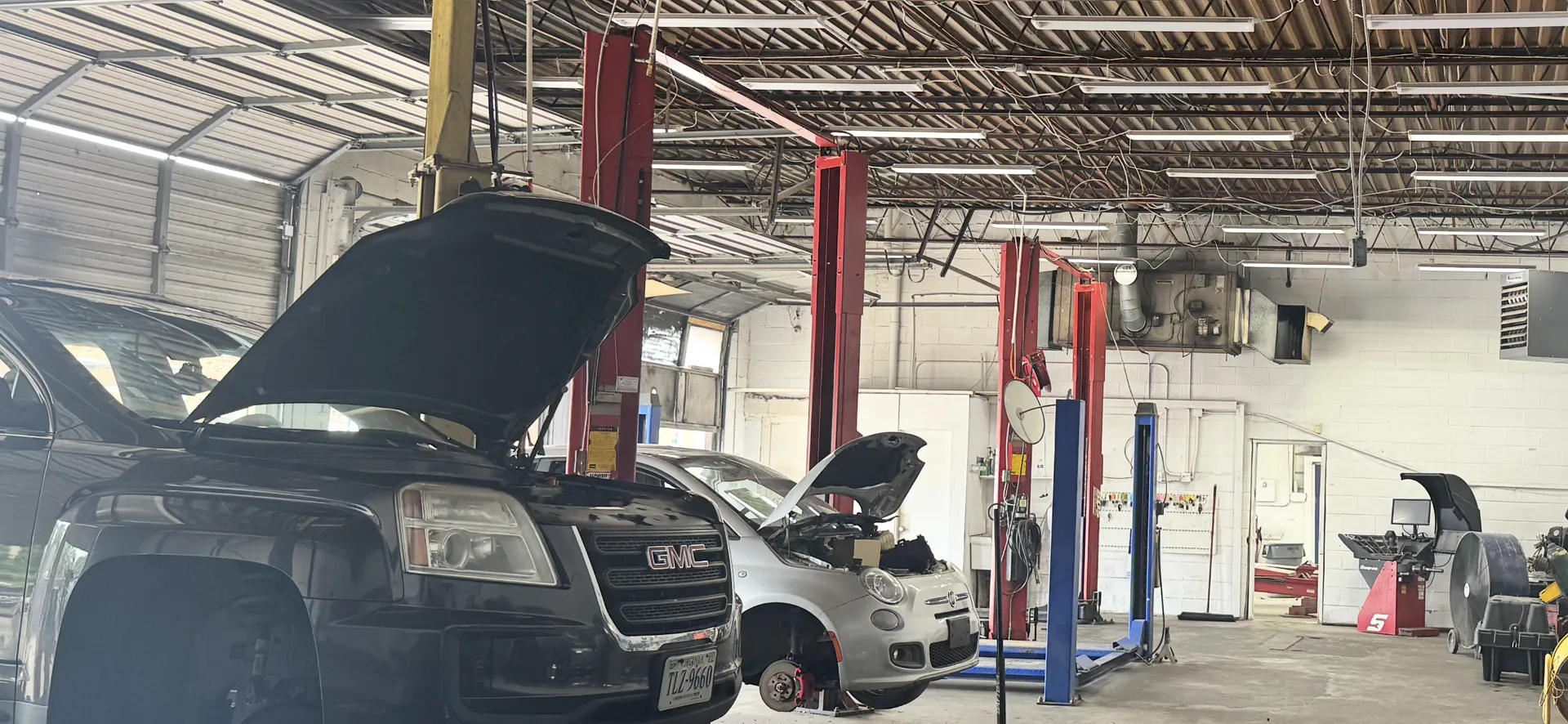
Service bay at Beach Auto & Transmission Repair in Virginia Beach, VA
Our service bays, where transmission testing and repairs are performed.
Digital vehicle inspection report shared with a customer
Findings are documented and sent to you with photos and notes.
Transparent Pricing

How Much Does Transmission Repair Cost?

Pricing depends on your vehicle make and model, the type of transmission, the severity of the failure, and the parts required. We never quote final pricing without diagnosing the vehicle first.

Transmission Diagnostic Testing Starts At
$175

Diagnostic fees may be applied toward repairs when approved. No hidden fees. No unauthorized repairs.

Honest Communication
No Hidden Fees
No Unauthorized Repairs
Diagnostics-First Approach
Cost Factors

What Determines Transmission Repair Cost?

Two vehicles with the same symptom can need very different repairs, so we do not quote transmission work before testing the vehicle. You get a written estimate after diagnosis and before any work begins.

  • Vehicle year, make and model
  • Transmission type: automatic, CVT or manual
  • The type of failure, electronic, hydraulic or mechanical
  • Diagnostic time required to confirm the cause
  • Internal versus external damage
  • Parts availability for your vehicle
  • Labor required to access or remove the unit
  • Programming, relearn and adaptation requirements
  • Whether repair, rebuild or replacement is the right path

Planning a larger repair? See our financing options or read about check engine light diagnostics and engine repair, since drivability faults can imitate transmission symptoms.

Why Beach Auto & Transmission Repair

Why Choose Beach Auto & Transmission Repair for Transmission Service

Trusted by Hampton Roads drivers since 2010 for honest transmission diagnostics and fair repairs.

ASE Certified Technicians

Experienced with modern automatic, CVT, and dual clutch transmissions.

Advanced Diagnostic Equipment

Manufacturer-level scan tools and pressure testing equipment.

Digital Vehicle Inspections

Photos, notes, and recommendations sent directly to your phone.

Transparent Pricing

Written estimate before any work begins. No surprises.

Warranty Protection

Workmanship and parts warranty on every transmission repair we perform.

Financing Available

Flexible payment options so a major repair never has to wait.

Same-Day Appointments

Most diagnostic appointments scheduled the same day you call.

Experienced Transmission Diagnostics

We diagnose first and only recommend major work when it is truly necessary.

Can You Drive With Transmission Problems?

Driving with transmission symptoms risks further internal damage, unexpected breakdowns, safety concerns, higher repair costs, and potential towing expenses. A small issue today often becomes a major repair tomorrow.

Get answers now and avoid bigger problems later.

Serving Hampton Roads

Transmission Repair Near You in Virginia Beach

Beach Auto & Transmission Repair has served Virginia Beach drivers since 2010 as a trusted source for honest transmission diagnostics and fair repairs. Our shop on Virginia Beach Boulevard sees customers every week who arrive worried they need a transmission, and many leave with a far smaller repair. Our approach is simple: we diagnose first, explain clearly, and only recommend major work when it is truly necessary.

Transmission diagnostics done right

A transmission concern can be caused by dozens of different issues. Low fluid, a single solenoid, a sensor, a valve body, a wiring fault, a software update, or genuine internal wear can all create similar symptoms. Without proper diagnostics it is impossible to know what is actually wrong. Many shops jump straight to recommending a rebuild or replacement. We do the opposite. We start with computer diagnostics, a real road test, fluid inspection, and live data analysis. Only then do we recommend repairs.

CVT, automatic, and manual transmission service

Modern vehicles use a wide range of transmission designs, including traditional automatics, CVTs, dual clutch, and manuals. Each requires specific fluids, procedures, and diagnostic tools. Our technicians stay current on Honda, Toyota, Ford, GM, Hyundai, Kia, Nissan, BMW, Mercedes, Audi, Volkswagen, and many other transmission systems, and we follow manufacturer requirements on every job. CVT transmissions in particular are sensitive to the wrong fluid and the wrong service interval, and getting it right protects your vehicle long-term.

Transmission maintenance and fluid service

Routine transmission maintenance is one of the most underrated ways to avoid major repairs. Transmission fluid breaks down over time. Heat from summer driving, towing, and stop-and-go traffic in Hampton Roads accelerates that wear. A properly performed fluid and filter service at the right interval can add years of reliable service to a healthy transmission and often resolves early concerns like minor shudder or rough shifts. We check your manufacturer recommendation, evaluate fluid condition, and recommend the correct service for your specific vehicle.

Rebuilds and replacements as a last resort

When a transmission truly needs to be rebuilt or replaced, we explain why, show you the evidence, and provide a written estimate with warranty information. We use quality remanufactured or OE units when replacement is required and stand behind every job with a workmanship and parts warranty. But this is the last option we recommend, not the first.

We proudly serve Virginia Beach, Norfolk, Chesapeake, Portsmouth, and Suffolk, including Kempsville, Lynnhaven, Pembroke, Hilltop, and Town Center neighborhoods. If you are noticing slipping, hard shifts, leaks, warning lights, or unusual noises, call (757) 600-2095 or schedule online. Get answers before you spend thousands. You may also want to read more about our check engine light diagnostics, our engine repair services, routine fluid services, electrical diagnostics, and Virginia State Inspection.

FAQ

Transmission Repair Questions

Answers about transmission diagnostics, repair, rebuilds, and replacement in Virginia Beach.

Common signs include slipping, delayed engagement, hard or harsh shifts, a check engine or transmission warning light, fluid leaks, a burning smell, grinding or whining noises, and shaking under acceleration. Many of these symptoms are caused by low fluid, sensors, or solenoids rather than internal failure, which is why we always diagnose before recommending major work.

Yes. Low or contaminated fluid is one of the most common causes of slipping, delayed engagement, and harsh shifts. In many cases a proper fluid service and leak repair resolves the concern without any internal work. We always check fluid level and condition first.

Pricing depends on the vehicle, the type of transmission, the specific failure, and the parts required. A solenoid or sensor repair is far less expensive than a rebuild or replacement. We never quote final pricing without diagnosing the vehicle first, and we always provide a written estimate before any work begins.

Rebuild pricing varies significantly by vehicle and the extent of internal damage. After diagnostics we give you a written estimate covering parts, labor, and warranty so you can make an informed decision. In many cases a targeted repair is possible instead of a full rebuild.

It depends on what failed and the overall condition of the unit. A rebuild restores the existing transmission with new wear parts and is often the right choice when the case and major components are healthy. A replacement makes sense when there is catastrophic damage or extensive wear. We will explain both options so you can choose with confidence.

A CVT, or continuously variable transmission, uses a belt or chain and variable pulleys instead of fixed gears. CVTs offer smooth power delivery and good fuel economy but require specific fluid and diagnostic procedures. We are equipped to service and diagnose CVT transmissions properly.

Driving with transmission problems risks further internal damage, unexpected breakdowns, safety issues, higher repair costs, and the cost of being towed. If you notice slipping, hard shifts, leaks, warning lights, or unusual noises, schedule a diagnostic appointment as soon as possible.

Recommendations vary by manufacturer and driving conditions, typically every 30,000 to 60,000 miles for most modern vehicles. Severe driving conditions like towing, stop-and-go traffic, or hot weather may require more frequent service. We can check your manufacturer recommendation and current fluid condition during your appointment.
Customer Reviews

What Virginia Beach drivers say about our transmission work

Having Transmission Problems? Start With the Right Diagnosis.

Avoid guessing or replacing expensive components before identifying the actual cause of the problem. We test first, then recommend the repair that fits what we found.