
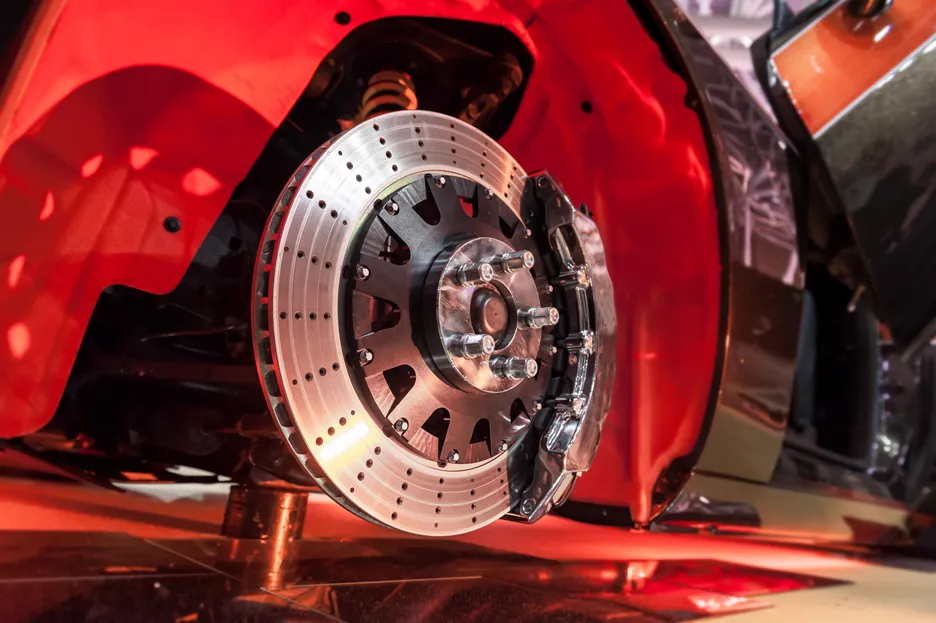
Brake Repair & Rotor Service in Virginia Beach
Squealing? Grinding? Vibration? Soft brake pedal?
Beach Auto & Transmission Repair inspects your brake pads, rotors, calipers, hydraulic system and brake fluid to determine what is actually causing the problem before recommending repairs.
Need brake service today? Check same-day availability- Free visual brake inspection
- Pads and rotors inspected at no charge
- Not every brake job needs pads and rotors
- Written estimate before any work begins
Not Every Brake Problem Requires Pads & Rotors
Brake symptoms can come from many different parts of the system. A squeal, a vibration or a soft pedal each point in a different direction, and the same complaint can have several possible causes. Selling a complete brake job before anything is inspected is how customers end up paying for parts they did not need, or leaving with the original problem unresolved.
Squealing
May involve
- Pad wear indicators
- Pad material and glazing
- Surface contamination
- Rotor condition
- Hardware and shims
Grinding
May involve
- Severely worn brake pads
- Metal-to-metal contact
- Rotor damage
- Caliper problems
- Debris or backing-plate contact
Vibration While Braking
May involve
- Rotor thickness variation
- Rotor runout
- Uneven friction transfer
- Wheel or suspension issues in some cases
Vehicle Pulling
May involve
- Sticking caliper
- Uneven brake application
- Tire issues
- Alignment or suspension concerns
Soft or Spongy Pedal
May involve
- Air in the hydraulic system
- Brake fluid condition
- A leak
- Master cylinder
- Flexible brake hose
Warning Light On
May involve
- Parking brake engaged
- Low brake fluid level
- Hydraulic system warning
- ABS fault detected
- Wear sensor circuit on some vehicles
Signs Your Brakes Need Attention
What you notice, what it may mean and how urgent it is. Use these as a reason to have the brakes inspected, not as a diagnosis.
Squealing
What you notice: A high-pitched squeal when you apply the brakes, sometimes only when cold or damp.
What it may mean: Wear indicators contacting the rotor, pad material or glazing, contamination, hardware or rotor surface condition.
What to do: Schedule an inspection soon so worn pads do not damage the rotors.
Grinding
What you notice: A harsh metallic grinding or growling noise while braking.
What it may mean: Often severely worn pads and metal-to-metal contact, rotor damage, a caliper problem or debris contact.
What to do: Stop driving if braking performance is noticeably reduced. Continued driving usually increases the repair cost.
Brake Pedal Vibration
What you notice: The pedal pulses or shudders under your foot while slowing down.
What it may mean: Rotor thickness variation, runout or uneven friction transfer across the rotor surface.
What to do: Have the brakes inspected. Delaying often turns a pad-only job into pads and rotors.
Steering Wheel Shake While Braking
What you notice: The steering wheel shakes when you brake, especially from highway speed.
What it may mean: Commonly front rotor condition, but wheel balance, hub, bearing or suspension components can contribute.
What to do: Inspection separates a brake issue from a wheel or suspension issue before parts are replaced.
Soft or Spongy Pedal
What you notice: The pedal feels soft, sinks slowly or travels farther than it used to.
What it may mean: Air in the hydraulic system, fluid condition, a leak, a flexible hose or a master cylinder concern.
What to do: Do not delay. A pedal that sinks or feels unsafe should be inspected before the vehicle is driven further.
Brake Pedal Feels Hard
What you notice: You have to push much harder than normal to slow the vehicle.
What it may mean: Brake booster, vacuum supply, hydraulic assist or a related system concern depending on the vehicle.
What to do: Reduced braking assistance increases stopping distance. Have it inspected promptly.
Vehicle Pulls While Braking
What you notice: The car drifts left or right when you press the brake pedal.
What it may mean: A sticking caliper, uneven brake application, hydraulic restriction, tires, alignment or suspension.
What to do: Avoid delaying. A sticking caliper can overheat the corner and damage the pad and rotor.
Longer Stopping Distance
What you notice: The vehicle takes noticeably more room to stop than it used to.
What it may mean: Friction material condition, contamination, hydraulic performance, fluid condition or an assist problem.
What to do: Reduced braking performance is a safety issue. Have the system inspected before further driving.
Brake Warning Light
What you notice: The red brake light stays on while driving.
What it may mean: Parking brake engaged, low fluid level, a hydraulic concern or another brake-system warning depending on the vehicle.
What to do: Check that the parking brake is fully released. If the light stays on, have the system inspected.
ABS Light
What you notice: The amber ABS light is illuminated.
What it may mean: The anti-lock brake system has detected a fault. Conventional braking may still function depending on the fault.
What to do: Electronic diagnosis is required. Drive carefully, especially in rain, and schedule testing.
Burning Smell Near a Wheel
What you notice: A sharp burning odor after braking or after a drive.
What it may mean: Overheated friction material, a dragging brake, a sticking caliper or a parking brake not releasing.
What to do: Pull over safely and let the vehicle cool. Overheating brakes can reduce braking performance.
Wheel or Brake Area Extremely Hot
What you notice: One wheel is far hotter than the others after normal driving.
What it may mean: A brake that is dragging, usually a caliper, hardware, hose or parking brake concern.
What to do: Have it inspected before continued driving. Heat damages pads, rotors and fluid.
Brake Fluid Leak
What you notice: Wet spots near a wheel or under the vehicle, or a dropping fluid level.
What it may mean: A hose, line, caliper, wheel cylinder or master cylinder leak in the hydraulic system.
What to do: Stop driving. A hydraulic leak can cause a rapid loss of braking. Arrange transport to the shop.
What's Included in Our Brake Inspection?
Our brake inspection is free. It is a visual inspection of the brake pads and rotors, and you get the findings in writing.
- Brake pad condition (visual)
- Brake rotor condition (visual)
- Visible pad wear indicators
- Visible rotor surface scoring or glazing
- Visible cracks, corrosion or heat damage
- Uneven pad or rotor wear patterns
- Recommendation for further measurement if needed
We inspect. We explain. We measure if work is needed.
Note: the free inspection covers the visual condition of the brake pads and rotors. Warning-light or electronic brake-system diagnosis, such as an ABS fault, requires paid diagnostic testing because it involves scan tools, circuit testing and diagnostic time.
Do I Need Rotors With My Brake Pads?
Not automatically. A rotor decision should be based on thickness against the minimum specification, surface condition, cracks, heat damage, runout, thickness variation, corrosion and what the manufacturer requires. Two outcomes are possible: reuse or replace. We do not resurface rotors.
Keep / Reuse the Rotor
The rotor is within specification and its condition allows safe reuse.
What we look at
- Thickness above the manufacturer minimum
- Surface in serviceable condition
- No cracks or significant heat damage
- Runout and thickness variation within limits
Replace the Rotor
The rotor is below specification, damaged, or replacement is the appropriate repair.
What we look at
- Below minimum thickness specification
- Cracked or heat-checked
- Severe corrosion or pitting
- Manufacturer requires replacement
Rotor replacement should be based on condition and specification, not automatically added to every brake job.
Brake Repair Services
Friction, hydraulic, caliper, electronic and parking brake work performed at our Virginia Beach Blvd shop.
Friction Components
Brake Pad Replacement
Appropriate quality pad materials selected for the vehicle and application.
Brake Rotor Replacement
Replacement rotors installed when measurement and condition call for it.
Brake Hardware Service
Clips, slides and hardware serviced or replaced so the brakes apply and release properly.
Hydraulic System
Brake Fluid Service
Fluid condition evaluated, then serviced based on manufacturer recommendations and testing.
Brake Hose Replacement
Cracked, swollen, restricted or leaking flexible hoses replaced.
Master Cylinder Diagnosis / Replacement
Pedal feel and hydraulic performance tested before any component is replaced.
Hydraulic Leak Repair
Leak located and repaired, then the system is bled and verified.
Calipers
Brake Caliper Diagnosis
Determine whether a caliper is dragging, sticking or applying unevenly.
Caliper Replacement
Replacement performed when diagnosis shows the caliper is the failure point.
Sticking Caliper Repair
Slides, hardware and mounting addressed where that is the actual cause.
Electronic / ABS
ABS Warning Light Diagnosis
Scan-tool communication and system testing to identify the stored fault.
Wheel Speed Sensor Diagnosis
Sensor, tone ring and wiring testing before a sensor is replaced.
Electronic Parking Brake Diagnosis
Available where vehicle coverage and required service procedures apply.
Parking Brake
Parking Brake Adjustment / Repair
Cables, shoes and adjustment inspected and corrected.
Electronic Parking Brake Service
Service-mode procedures performed on supported vehicles.
How Beach Auto & Transmission Repair Handles Brake Problems
A repeatable process that ends with findings and a written estimate instead of an assumption.
Understand the Symptoms
What you hear, feel and when it happens narrows the inspection immediately.
Free Visual Inspection
Brake pads and rotors are visually inspected at no charge.
Measure If Repairs Are Needed
Pad and rotor thickness are measured against specification before work is authorized.
Identify the Actual Repair Need
Findings, not assumptions, determine what should be replaced or serviced.
Document the Findings
Photos and findings are shared with you where digital vehicle inspection applies.
Provide a Written Estimate
You see the parts, labor and reasoning before anything is taken apart.
You Approve the Work
Nothing is performed without your authorization.
Repair and Final Verification
Work is completed, the system is verified and the vehicle is road tested.
No unauthorized repairs. No automatic parts packages.
How Much Does Brake Repair Cost?
There is no honest universal brake price. Cost depends on your vehicle and on what the inspection actually finds, so we measure first and quote second.
Brake Inspection
Free visual inspection
Visual inspection of brake pads and rotors at no charge.
Brake Pad Replacement
Vehicle-specific estimate
Priced by vehicle, pad material and what the inspection actually shows.
Pads & Rotors
Vehicle-specific estimate
Quoted only when rotor condition calls for replacement.
Brake Caliper Repair
Based on inspection findings
Diagnosed first, then quoted for the specific corner and component.
Brake Fluid Service
Vehicle-specific estimate
Based on fluid condition, testing and manufacturer recommendations.
ABS Diagnosis
Diagnostic testing required
Electronic brake-system faults require paid diagnostic time, not a visual check.
What changes the price
- Vehicle make and model
- Pad material
- Rotor size and type
- Performance brake packages
- Electronic parking brake
- Caliper condition
- Parts quality selected
- Rust and corrosion
- European and luxury applications
- Truck and SUV brake size
Why Early Brake Repair Matters
Brake components wear in sequence. Addressing the first symptom usually keeps the repair smaller than addressing the third one.
Worn Pads Can Damage Rotors
Once friction material is gone, metal-to-metal contact can turn a pad job into pads and rotors.
Sticking Calipers Create Heat
A dragging caliper causes uneven wear and overheating that can affect pads, rotors and fluid.
Contaminated Fluid Affects Hydraulics
Fluid condition influences pedal feel and how the hydraulic system performs under heat.
Small Leaks Grow
A minor hydraulic leak can develop into a serious braking problem if it is not repaired.
Grinding Increases Cost
Continuing to drive on grinding brakes commonly adds rotors, hardware or caliper work to the repair.
Symptoms Rarely Improve
Brake concerns are wear-based. They get worse with miles, heat and traffic, not better.
Brake Fluid Is Part of the Brake System Too
Brake fluid transfers the force from your foot at the pedal to the calipers at each wheel. Over time, depending on system design and environmental exposure, fluid can absorb moisture, which affects its boiling point and can contribute to corrosion inside the hydraulic system.
There is no single mileage that applies to every vehicle. We base brake fluid recommendations on your manufacturer's guidance, fluid testing, service history and the actual condition of the fluid in your system.
What fluid condition affects
- Pedal feel and firmness
- Boiling point under heavy braking heat
- Corrosion inside hydraulic components
- How the system performs on long descents and in traffic
- Manufacturer maintenance compliance
Brake Warning Light vs ABS Warning Light
They are two different warnings with two different diagnostic paths.
Red Brake Warning Light
May indicate:
- Parking brake engaged
- Low brake fluid level
- A hydraulic system issue
- Another brake-system warning depending on the vehicle
Confirm the parking brake is fully released. If the light stays on, especially with a change in pedal feel, have the system inspected before driving further.
Amber ABS Warning Light
The anti-lock brake system has detected a fault. The vehicle may still have conventional braking capability depending on the fault, but ABS functionality may be limited.
Electronic diagnosis may require
- Scan-tool communication
- Wheel speed sensor testing
- Wiring and circuit diagnosis
- Module and system testing
Modern Brake Systems Are More Than Pads & Rotors
On many current vehicles, brake service involves electronics and required service procedures, not just hand tools.
| System | Why it affects brake service |
|---|---|
| Electronic parking brake | Usually requires a scan tool to enter service mode before rear brake work and to reset the system afterward. |
| ABS | Faults are stored electronically and require scan-tool diagnosis, sensor and circuit testing. |
| Traction control integration | Traction control applies individual brakes, so a brake or sensor fault can illuminate multiple warning lights. |
| Stability control integration | Stability systems share wheel speed data with ABS, which is why one sensor problem can disable several features. |
| Brake wear sensors | Common on European vehicles. Sensors are often replaced with the pads and may need a dash reset. |
| Electronic and brake-by-wire systems | Where applicable, these systems require specific procedures during service. We confirm requirements for your vehicle before work begins. |
| ADAS interaction | Driver assistance features such as automatic emergency braking rely on the brake system functioning correctly. |
Brake Service for Domestic, Asian, European & Performance Vehicles
Brake system design varies widely. Truck and SUV systems run larger rotors and heavier loads, European models often use wear sensors and electronic parking brakes, and performance packages can use different pad compounds and two-piece rotors where applicable.
Asian
Wear sensors on some models, aluminum hats and specific pad compounds.
European
Electronic parking brakes, wear sensors and larger performance brake packages.
Why Virginia Beach Drivers Choose Beach Auto & Transmission Repair
We don't automatically sell pads, rotors and calipers together. We inspect the system and recommend what is actually needed.
Free Brake Inspection
A visual inspection of brake pads and rotors at no cost to you.
Condition Confirmed Before Work
Pads and rotors are measured if brake work is authorized.
Transparent Written Estimates
You approve the work and the price before anything begins.
Digital Vehicle Inspection
Photos and findings sent to your phone so you can see what we see.
ASE Certified Technicians
Brake work performed by certified technicians using proper procedures.
Quality Parts Options
Pad and rotor options appropriate for your vehicle, driving and budget.
Same-Day Service When Available
Call early for the best chance at same-day brake service.
36-Month / 36,000-Mile Limited Warranty
Qualifying repairs are covered. Written terms apply.
Serving Virginia Beach Since 2010
Independent shop on Virginia Beach Blvd, trusted by local drivers.
Warranty coverage applies to qualifying repairs. Written terms apply, see our warranty page.
What Virginia Beach drivers say about our brake work
Brake Repair in Virginia Beach
Beach Auto & Transmission Repair has handled brake repair for Virginia Beach drivers since 2010 from our shop on Virginia Beach Boulevard. Most brake customers arrive describing a sound or a feel rather than a part: a squeal at low speed, a grind from one corner, a shudder in the pedal on the way down Independence, a pedal that no longer feels firm. Our job is to turn that description into a clear finding, then into a repair that matches what the vehicle actually needs.
Why inspection matters more than a quote over the phone
Brake pad thickness and rotor thickness are specification-based. Every rotor has a minimum thickness, and every pad has a point where the friction material is no longer serviceable. Those numbers, along with surface condition, runout and how the calipers are working, determine whether you need pads only, pads and rotors, hardware, hydraulic work or nothing at all yet. A price quoted before anything is inspected is a guess, and guesses are how customers end up buying rotors they did not need.
How coastal driving affects brakes here
Salt air across Hampton Roads is hard on brake hardware. Caliper slide pins, brackets, hardware clips and rotor surfaces corrode faster near the water than they do inland, and corrosion is a common reason a caliper begins to drag or a rotor needs replacement. Stop-and-go traffic on Virginia Beach Blvd and around Town Center also puts far more heat and wear cycles into a set of pads than steady highway miles do.
Brakes and your Virginia state inspection
Brake condition is part of the annual Virginia safety inspection. If you are due for inspection and already hearing a noise or feeling a vibration, it is worth having the brakes inspected first so you know what to expect. We handle both in house, so you are not making a second trip. See our Virginia state inspection page for details.
Where we serve
Drivers come to us for brake pads, brake rotor replacement, caliper work, brake fluid service and ABS diagnosis from across Virginia Beach as well as Norfolk, Chesapeake, Portsmouth, Suffolk and the wider Hampton Roads area. If your brakes are squeaking, grinding, vibrating or the pedal has changed, call (757) 600-2095 or schedule a free brake inspection and we will inspect the system before recommending a single part.
Brake Repair Questions
Straight answers about pads, rotors, calipers, fluid, ABS and brake repair cost in Virginia Beach.
Related Services at Beach Auto & Transmission Repair
Stopping performance depends on more than the brakes themselves.
Suspension & Steering Repair
Shake, pulling and uneven wear sometimes trace to suspension, not brakes.
Virginia State Inspection
Brakes are part of the annual Virginia safety inspection.
Battery & Electrical Diagnostics
ABS, wheel speed sensor and electrical brake-system faults.
Vehicle Maintenance
Manufacturer-based maintenance including brake fluid recommendations.
Same-Day Auto Repair
Urgent brake concerns handled the same day when scheduling allows.
Vehicles We Service
Domestic, Asian, European and performance vehicles.
Know What Your Brakes Actually Need
Squealing, grinding, vibration or a soft pedal doesn't automatically mean you need a complete brake job. Let Beach Auto & Transmission Repair inspect and measure the system first.
Check same-day availabilityRelated services worth checking
Most repairs pair naturally with another service. Bundle them in one visit and save yourself a second trip.
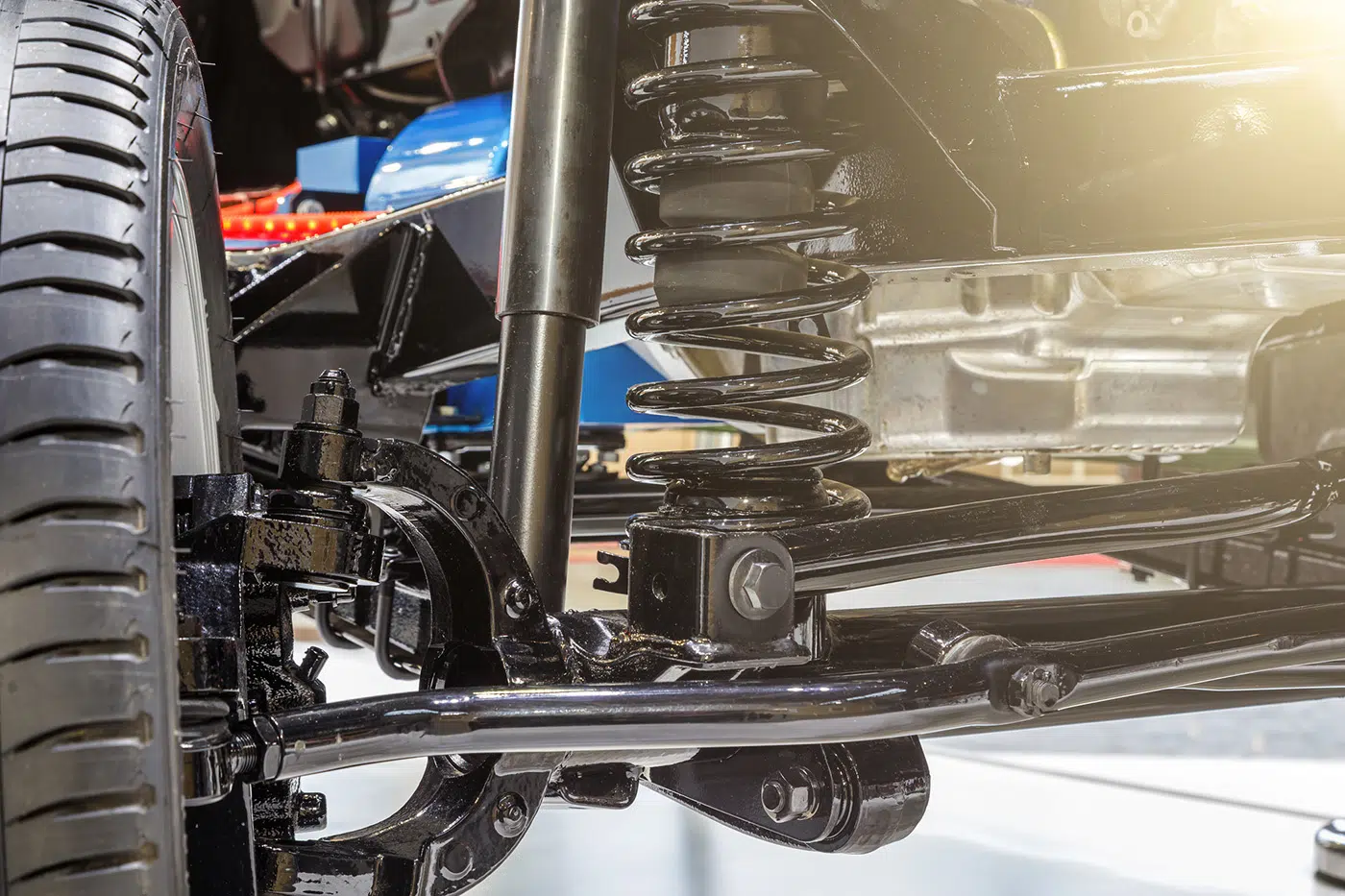
Suspension, Wheel Bearings & Ball Joints
Suspension, Wheel Bearings, and Ball Joints services revolve around the inspection, maintenance, and repair of these crucial components, collectively contributing to a smoother, safer, and more comfortable driving experience.
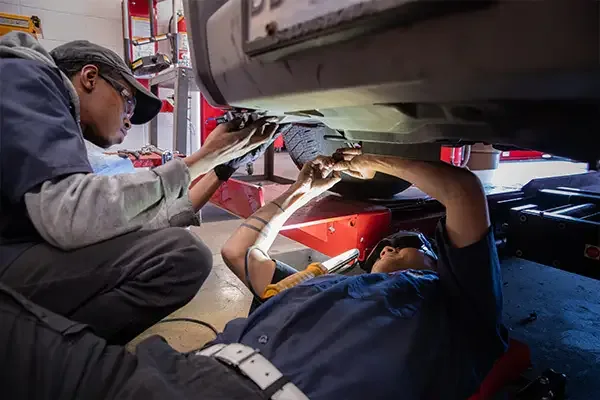
Official Virginia State Inspection
We are a Virginia-certified inspection station offering official state safety inspections. Get your annual inspection done quickly and affordably with no hidden fees.
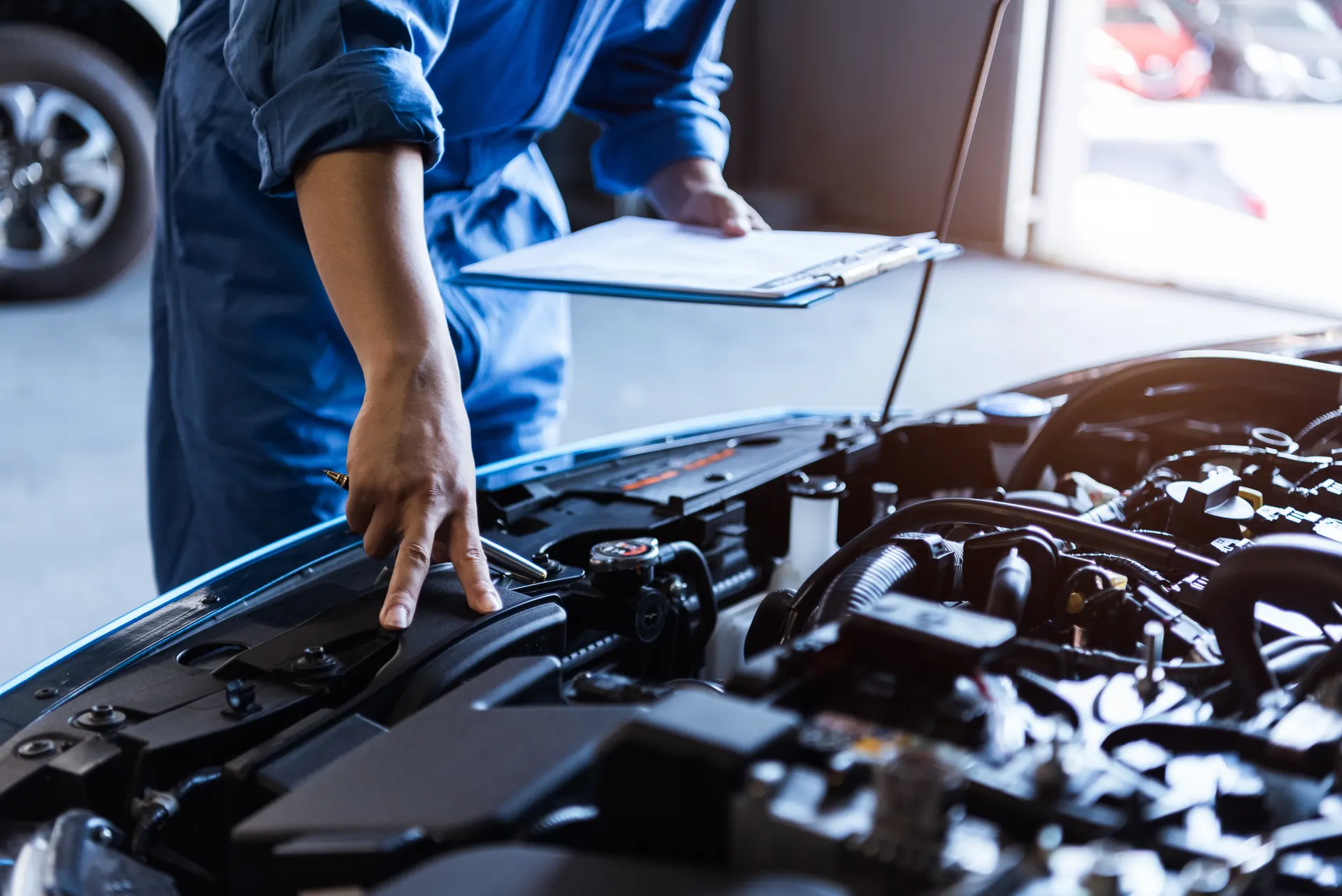
Tune Up & General Maintenance
Our Tune Up services are dedicated to fine-tuning and maintaining your vehicle's engine, ignition, and fuel systems, ensuring optimal performance, fuel efficiency, and overall reliability.