
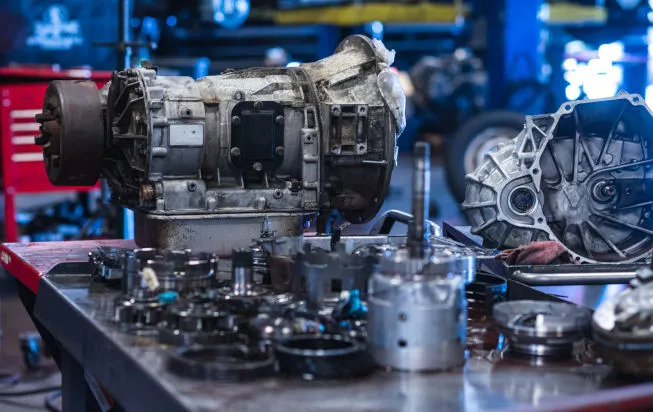
Transmission Rebuild in Virginia Beach, VA
When internal transmission damage is too extensive for a minor repair, rebuilding may restore the original transmission by disassembling it, identifying failed components, replacing worn or damaged parts, and carefully reassembling and testing the unit.
We diagnose first and recommend a rebuild only when it is technically and economically appropriate.
Not sure whether you need a rebuild? Start with Transmission Repair & Diagnostics.
- Full scan of transmission and related modules
- Fluid condition and debris inspection
- Pressure and live data testing where applicable
- Road test when the symptom can be reproduced
- Written findings and options before teardown
A Transmission Rebuild Starts With Diagnosis
A transmission should not be rebuilt simply because a vehicle slips, shifts hard, shudders, delays engagement, shows a warning light or stores a transmission code. Those symptoms are a starting point, not a diagnosis.
The same complaint can come from electrical faults, sensors, solenoids, valve body problems, wiring, fluid condition, hydraulic pressure issues, software and adaptation problems, external components, or genuine internal mechanical failure. Testing is what separates them. When damage or economics point away from rebuilding, replacement may be another option.
Repairable without rebuilding
The failure is isolated and can be corrected on the vehicle.
Internal and suitable for rebuilding
Damage is inside the unit and the transmission is a good rebuild candidate.
Severe enough for replacement
Damage or economics point toward a replacement or remanufactured unit.
What Does Rebuilding a Transmission Mean?
Rebuilding generally means removing the transmission from the vehicle, disassembling the unit, cleaning and inspecting components, identifying worn or damaged parts, replacing the components that need it, reassembling the transmission to proper specifications, reinstalling it, and completing the fluid, adaptation and testing procedures the vehicle requires.
Rebuilding is not simply installing a rebuild kit. Every transmission failure can be different, and the extent of the rebuild depends on the failure type, vehicle and transmission design, component condition, hard-part damage, fluid contamination, valve body condition, torque converter condition, electronics and controls, and the availability of quality parts.
Our Transmission Rebuild Process
Twelve stages, in order, from the first scan to the final road test. Every stage exists to prevent the two things that ruin rebuilds: guessing, and leaving a cause unfixed.
- 1
Step 1, Transmission Diagnosis
Review your symptoms, scan every module, inspect the fluid, road test when appropriate, analyze live data and perform additional testing where required.
- 2
Step 2, Determine Internal Failure
Decide whether the evidence points to an internal mechanical or hydraulic failure that justifies removal and teardown, rather than a repair that can be done on the vehicle.
- 3
Step 3, Transmission Removal
Remove the transmission following the service procedures written for your specific vehicle and drivetrain layout.
- 4
Step 4, Complete Disassembly
Disassemble the unit so every internal component can be evaluated instead of guessed at.
- 5
Step 5, Cleaning & Inspection
Clean and inspect internals for wear, damage, heat stress, contamination and abnormal failure patterns.
- 6
Step 6, Component Evaluation
Evaluate the components the design actually uses: clutch packs, frictions, steels, seals, O-rings, bushings, bearings, bands where applicable, drums, shafts, planetary gearsets, pump, valve body, pistons, one-way clutches, hard parts, case and differential components where applicable.
- 7
Step 7, Rebuild Specification
Determine which components must be replaced or serviced based on inspection findings and manufacturer service information for that transmission.
- 8
Step 8, Transmission Reassembly
Reassemble to proper clearances, torque specifications and procedures using the applicable new components.
- 9
Step 9, Torque Converter & Supporting Systems
Evaluate the torque converter and related systems, and address contamination concerns involving the cooler, cooler lines and fluid circuit where applicable.
- 10
Step 10, Reinstallation
Reinstall the rebuilt transmission and reconnect all required mechanical, electrical and hydraulic systems.
- 11
Step 11, Fluid & Adaptation Procedures
Fill with the correct specified fluid and perform the applicable fluid level procedure, relearn, adaptation reset, programming or initialization the vehicle requires.
- 12
Step 12, Final Testing
Leak inspection, scan verification, operating temperature check, shift operation review, road test when appropriate and a final quality-control inspection.
Components Commonly Inspected During a Rebuild
Not every transmission contains every component below, and nothing here is replaced automatically. Parts replacement depends on transmission design and what inspection actually finds once the unit is apart.
- Friction clutches
Checked for glazing, material loss and heat damage that cause slipping.
- Steel plates
Inspected for warping, discoloration and scoring from overheating.
- Seals and O-rings
Evaluated for hardening, cuts and leaks that bleed hydraulic pressure.
- Bushings
Measured for wear that allows shaft movement and pressure loss.
- Bearings
Checked for roughness, pitting and play that create noise or debris.
- Drums
Inspected for cracks, scoring and worn splines.
- Shafts
Checked for spline wear, scoring at bushing surfaces and straightness.
- Planetary gearsets
Examined for chipped teeth, worn pinion needle bearings and heat marks.
- Pump
Evaluated for wear affecting the fluid pressure the unit depends on.
- Valve body
Inspected for bore wear, sticking valves and debris that upset shift control.
- Solenoids where applicable
Tested electrically and hydraulically when the design uses them.
- Pistons
Checked for cracks and sealing-surface damage in the apply circuits.
- One-way clutches
Inspected for holding capability and damaged rollers or sprags.
- Torque converter
Evaluated for contamination, lockup-clutch wear and internal damage.
- Differential components where applicable
On transaxles, the final drive and differential are inspected as well.
Signs Internal Transmission Damage May Be Present
These symptoms raise the possibility of internal damage. On their own they do not prove a rebuild is necessary, and we have repaired plenty of vehicles with these complaints without ever opening the transmission.
Severe slipping
RPM flares with little or no acceleration, especially under load or at highway speed.
Loss of Drive or Reverse
One or more ranges no longer engage or hold.
Delayed engagement
A long pause before the vehicle moves after selecting a gear.
Harsh or abnormal shifting
Shifts that slam, flare or occur at the wrong time and do not respond to service work.
Will not move correctly
The vehicle moves weakly, only in certain ranges, or not at all.
Grinding or mechanical noise
Noise that changes with gear range or load often points to hard-part damage.
Metal or debris in the fluid
Significant debris on the pan or filter usually means internal components are coming apart.
Burnt fluid with damage present
Burnt fluid combined with confirmed damage suggests clutch material failure and heat.
Repeated clutch-related codes
Codes reporting slip or ratio errors that return after electrical and hydraulic causes are ruled out.
Internal pressure problems
Pressure testing that shows the unit cannot hold or build the pressure it needs.
Failure after overheating
Symptoms that began after towing, heavy load or a cooling-system problem.
Confirmed internal failure
Damage established through diagnosis, not assumed from a symptom.
Transmission Repair vs Rebuild vs Replacement
These are three different repairs with three very different costs. Diagnosis decides which one your vehicle actually needs, not the symptom you are feeling in the driver seat.
Transmission Repair
Best when the failure is isolated and does not require a complete internal overhaul.
- Speed, pressure or temperature sensor
- Shift or pressure-control solenoid
- Wiring, connector or ground fault
- Fluid leak, pan gasket or cooler line
- Valve body concern
- External component or linkage
- Certain electrical and hydraulic faults
Transmission Rebuild
Potentially appropriate once diagnosis confirms internal damage and rebuilding the existing unit still makes sense.
- Internal damage is confirmed by testing
- The transmission is rebuildable
- The case and key hard parts are usable
- Quality parts are available for the unit
- Rebuilding makes economic sense for the vehicle
Transmission Replacement
May be considered when rebuilding the original unit is no longer the better value.
- Damage is severe
- Major hard parts are damaged
- Rebuilding is not economical
- Parts availability is poor
- A quality replacement or remanufactured unit fits the vehicle better
Rebuilt vs Remanufactured Transmission
Rebuilt Transmission
Usually your vehicle's existing transmission is removed, disassembled, inspected and rebuilt according to the failure found and the condition of each component. The work is tailored to that specific unit.
Remanufactured Transmission
Generally built in a dedicated remanufacturing environment using a defined production process, then installed as a complete assembly in place of the original unit.
Neither option is automatically better. The right choice depends on your vehicle, the transmission, the failure, parts availability, warranty, price, the overall condition of the vehicle and how long you plan to keep it.
Our role is to lay out the options with the findings behind them so you can choose, rather than steering you toward the most expensive repair.
Common Causes of Internal Transmission Damage
Transmissions rarely fail for one single reason. Part of diagnosis is identifying what contributed, so the same cause does not take out the rebuilt unit.
- Normal wear over high mileage
- Overheating
- Low fluid level
- Fluid leaks
- Incorrect fluid specification
- Clutch material deterioration
- Bearing failure
- Hydraulic pressure problems
- Valve body problems that contribute to clutch damage
- Torque converter failure
- Towing or heavy-load stress
- Cooling-system problems
- Prior improper repair or service
- Prolonged driving with transmission symptoms
Protecting the Rebuilt Transmission
When a transmission fails internally, metal, clutch material and other contamination can circulate through the fluid system. If that debris stays in the system, it can travel straight back into a freshly rebuilt unit.
Depending on the vehicle design and the failure, attention may need to be given to the transmission cooler, the cooler lines, a radiator-integrated cooler, an external cooler, the torque converter and the fluid circuits. Not every cooler needs to be replaced on every job, but contamination has to be dealt with honestly rather than ignored.
- Transmission cooler
- Cooler lines
- Radiator-integrated cooler
- External cooler
- Torque converter
- Fluid circuits
What About the Torque Converter?
The torque converter is a major component of most automatic transmissions. When a transmission is rebuilt, the converter should be evaluated based on the failure type, contamination present, internal wear, lockup-clutch concerns and the requirements for that vehicle and transmission. Installing a rebuilt transmission behind a failed or contaminated converter can cause further problems, which is why it is part of the conversation before work is approved.
Modern Transmission Rebuilding Is Not Only Mechanical
Modern transmissions are controlled electronically. The transmission control module, powertrain control module, shift and pressure-control solenoids, speed and temperature sensors, wiring, CAN communication, adaptive shift values and software calibration all influence how the unit behaves.
That is why some vehicles need a relearn, adaptation reset, programming, initialization or other scan-tool procedures after mechanical work is complete. It is also why an electronic fault can imitate a mechanical failure, and why we check the electronics before we recommend a rebuild. Related reading: check engine light diagnostics and electrical system repair.
Vehicles We Service
Rebuild capability and repair options depend on the specific transmission, not just the badge on the vehicle. Contact us with your year, make, model and transmission concern so we can determine the appropriate diagnostic and repair path.
Domestic
- Ford
- Chevrolet / GM
- Dodge / Ram / Chrysler
- Jeep
Asian
- Toyota
- Honda
- Nissan
- Subaru
- Hyundai
- Kia
- Mazda
- Lexus
- Acura
- Infiniti
European
- BMW
- Mercedes-Benz
- Volkswagen
- Audi
- Volvo
- MINI
- Other supported European vehicles
Browse our vehicles we service pages for make-specific information.
Transmission Work at Beach Auto & Transmission Repair
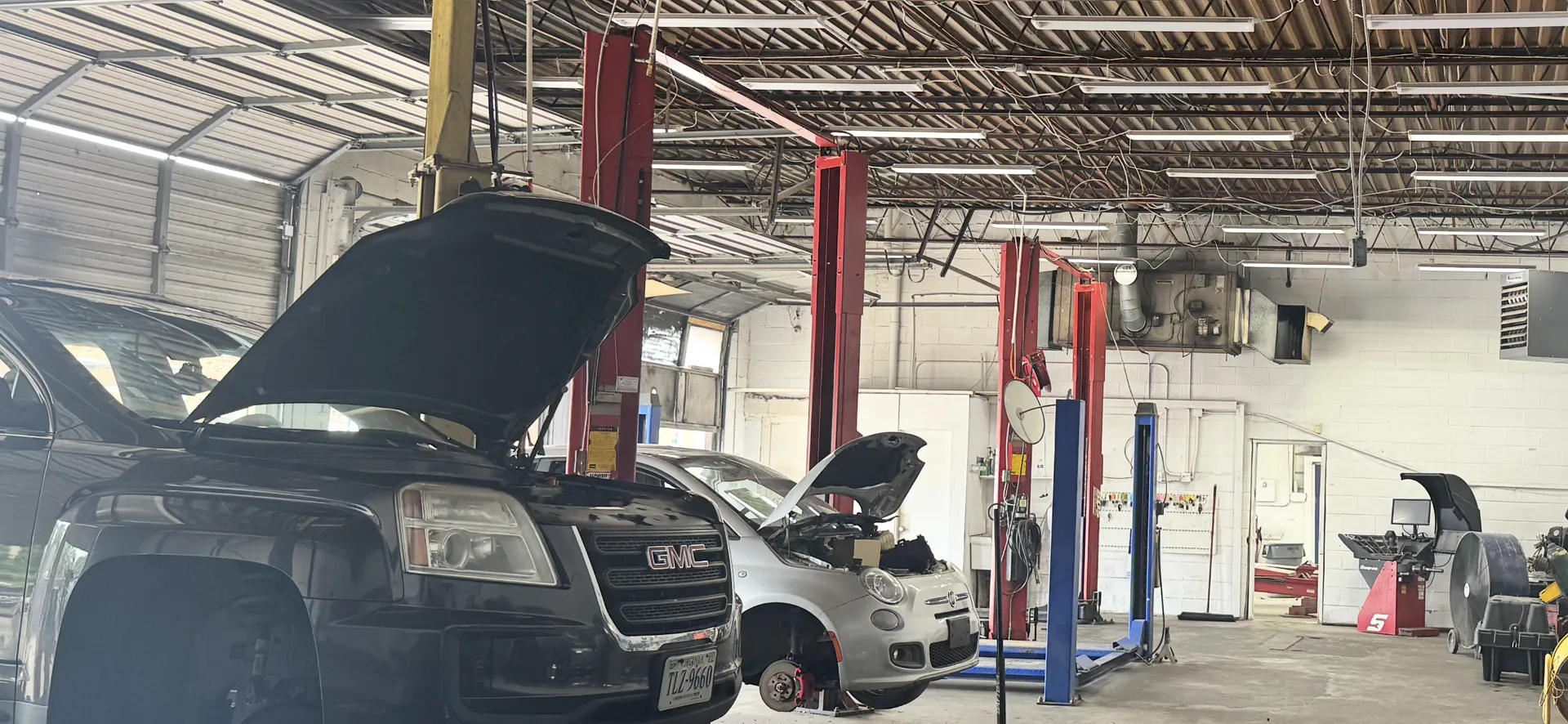
These slots are built for real job photography: teardowns, failed clutches, damaged bearings, valve bodies, torque converters, removals, rebuild progress and diagnostic screenshots. Captions describe our shop generally and never present a photo as a specific customer's repair.
What Does a Transmission Rebuild Cost?
We do not publish rebuild prices, because an honest number does not exist until the vehicle has been tested and the extent of internal damage is known. Accurate pricing starts with diagnosis, and you get a written estimate before any work begins.
- Vehicle year
- Make and model
- Transmission model
- Front-wheel drive, rear-wheel drive, AWD or 4WD configuration
- Labor required for removal and installation
- Extent of internal damage
- Hard-part damage
- Valve body condition
- Torque converter condition
- Fluid contamination
- Parts availability
- Programming and relearn requirements
- Supporting repairs the vehicle needs
- Rebuild versus replacement economics
Warranty on Transmission Work
36-Month / 36,000-Mile Limited Warranty
Qualifying repairs are backed for up to 36 months or 36,000 miles, whichever comes first. Coverage terms for major transmission work such as a rebuild are confirmed in writing with your estimate, since they can differ from general repair coverage. Written terms apply.
Transmission Rebuild Questions
Think Your Transmission Needs a Rebuild?
A rebuild is a major repair. Start by determining exactly what failed and whether rebuilding is the right solution for your vehicle.
Explore Transmission Repair & Diagnostics or contact the shop.
Related services worth checking
Most repairs pair naturally with another service. Bundle them in one visit and save yourself a second trip.
Transmission
Our Transmission services are crucial for the maintenance and repair of your vehicle's transmission system, responsible for controlling gear shifting and ensuring smooth and efficient power delivery to the wheels.
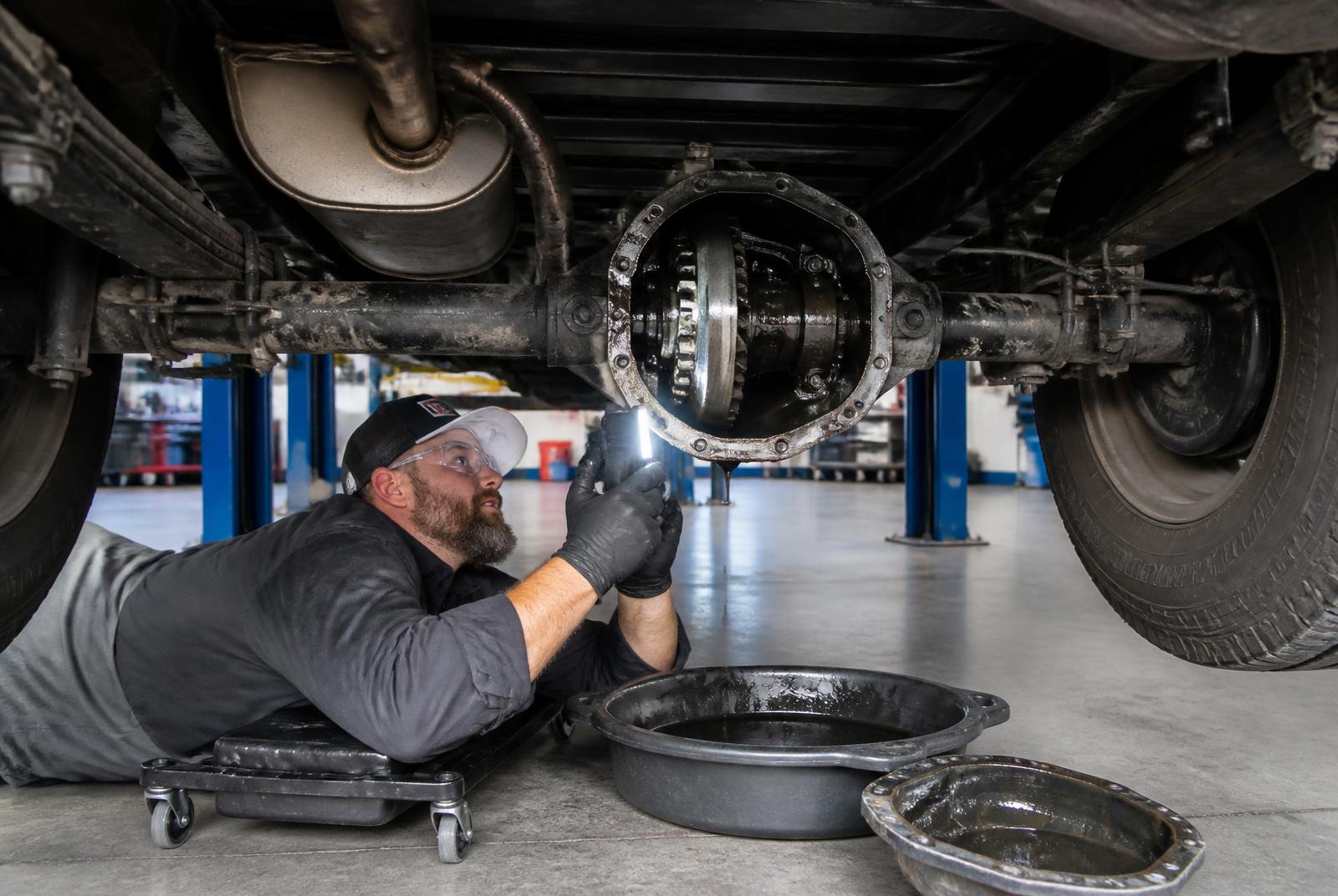
Differential Repair
Differential service and repair for rear, front and all-wheel-drive vehicles. We diagnose howling, whining and clunking from the axle, service gear oil, and replace worn bearings, seals and ring-and-pinion sets.
Engine Repair
Our Engine Repair services are essential for diagnosing and fixing issues within your vehicle's engine, ensuring optimal performance, fuel efficiency, and overall reliability.