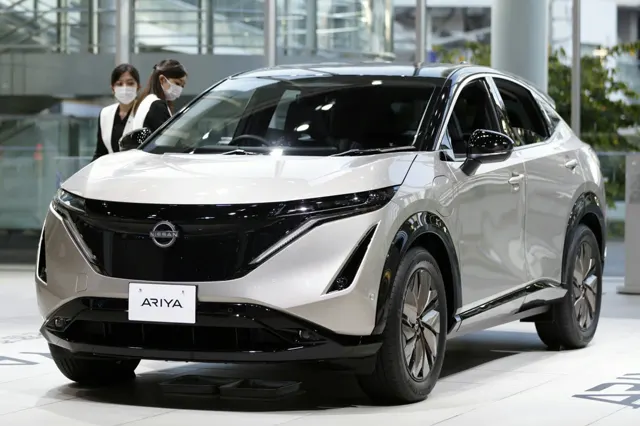
Nissan repair with an honest answer about your CVT. Transmission diagnosis, engine and electrical work, brakes and factory-interval maintenance for every Nissan model.
Independent service. Not affiliated with or endorsed by Nissan North America.
Most Nissan owners who call us are worried about the transmission. Shudder from a stop, hesitation on acceleration or a whine that rises with speed are the classic CVT complaints, and the cause is not always the transmission itself.
Fluid condition, temperature history and stored data tell us a great deal before anything is opened up. We scan the transmission, check the fluid, and tell you honestly whether a service will help.
The rest of the vehicle gets the same treatment: test, document, recommend in order of urgency.
Nissan services
What we diagnose, service and repair
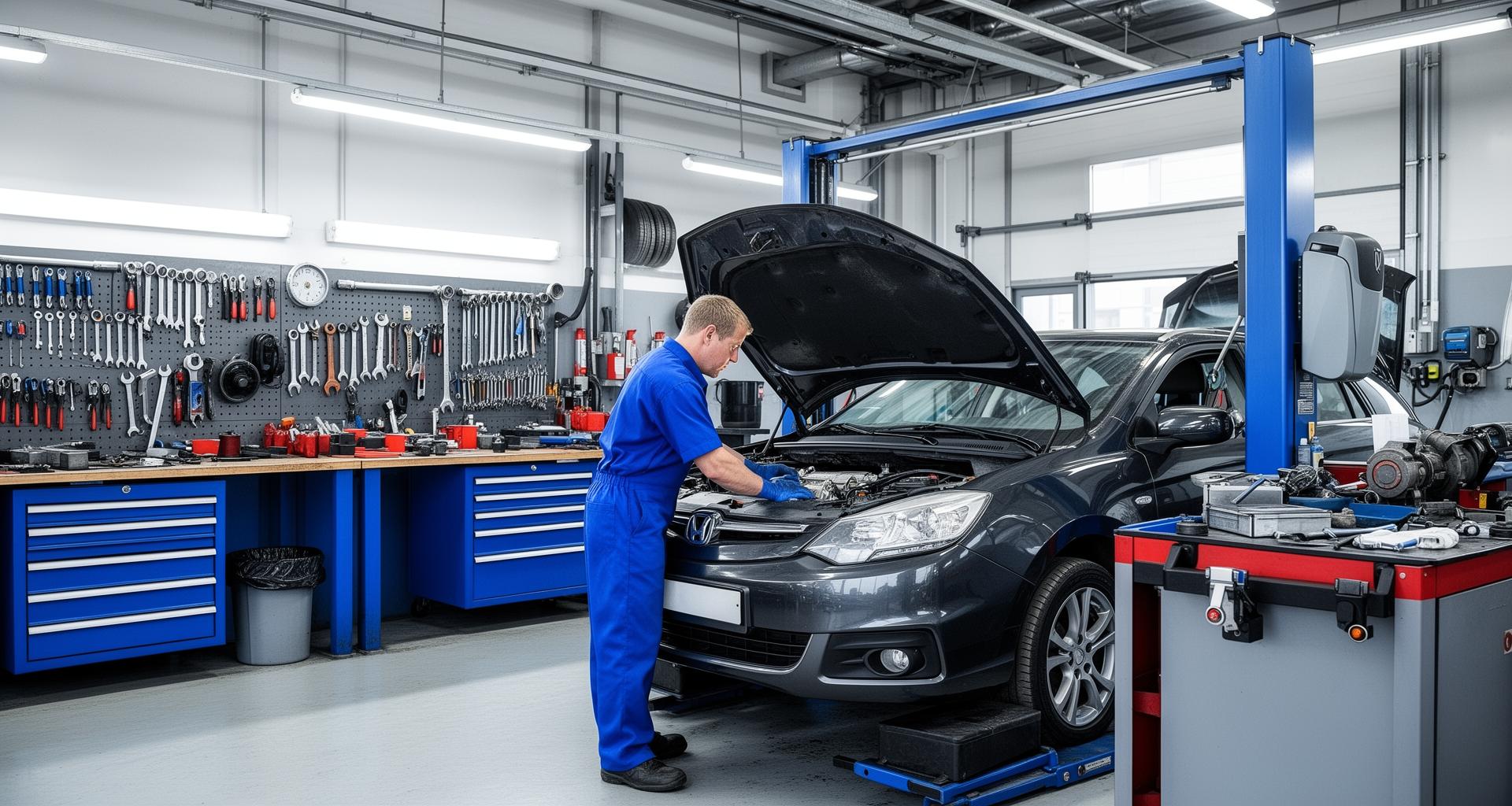
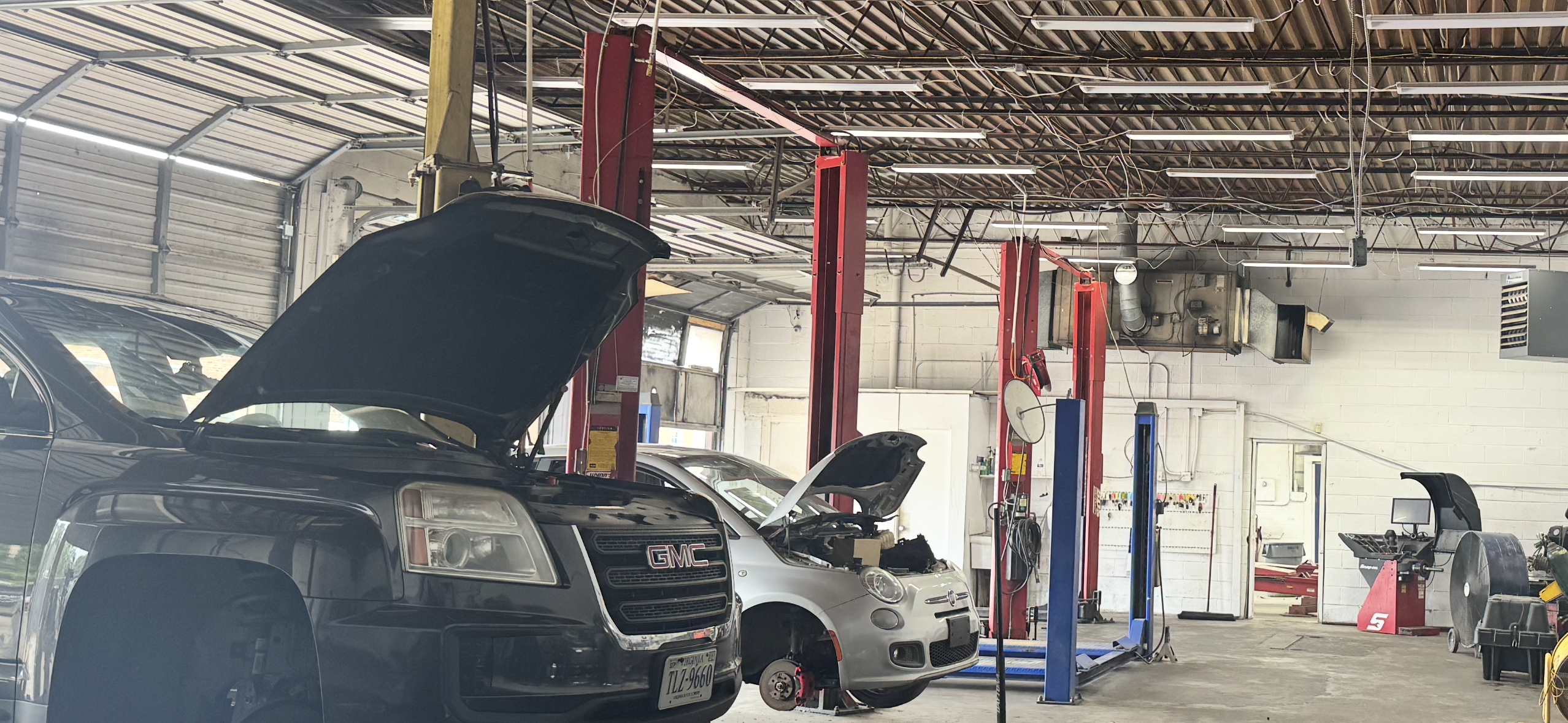
Every service below is performed at our Virginia Beach shop by ASE-certified technicians. Follow any card for full details on that repair.
What you may notice: Clunks over bumps, a wandering feel, uneven tire wear, or a groan when turning.
Possible causes
Worn bushings, ball joints or control arms
Sway bar links or wheel bearings
Steering rack or linkage wear
Alignment out of specification
A road test plus a lift inspection separates a ten-dollar bushing from a major suspension job.
Seeing something that is not listed? Call us with your year, model and a description of the concern and we will tell you what diagnosis will involve.
CVT transmission
Nissan CVT diagnosis and service
Nissan CVTs run hot and are sensitive to fluid condition. A fluid service at the right time can extend the life of the unit significantly. Done too late, it will not save a transmission that is already worn.
We tell you which situation you are in instead of selling a service that cannot fix the problem.
No-start conditions, intermittent warning lights and battery drain on Nissan models often trace back to a specific circuit rather than the battery everyone replaces first.
We measure draw over time, test the charging system under load, and find the circuit that is actually responsible.
Current and older models alike, from daily commuters to vehicles that work for a living around Hampton Roads.
Altima
Rogue
Sentra
Frontier
Pathfinder
Maxima
Don't see your Nissan listed? Call Beach Auto & Transmission Repair with your year, model, engine and service concern.
How a Nissan repair works here
A consistent five-step process, from the moment you describe the concern to the road test before pickup.
1
Describe the Concern
Tell us what the vehicle is doing, when it happens, and any warning messages on the display.
2
Diagnosis
We verify the symptom, scan the relevant modules, and test the system rather than replacing parts on a hunch.
3
Recommendations
You get a written estimate separating what needs attention now from what can safely wait.
4
Your Authorization
Nothing is repaired until you approve it. No surprise work, no pressure.
5
Quality Check
A final inspection and road test confirm the repair before the vehicle is returned to you.
Why Nissan owners choose Beach Auto & Transmission Repair
Advanced diagnostics
Professional scan tools and systematic testing on engine, transmission, electrical and chassis systems.
Complex repair capability
Engine, transmission, cooling system, suspension and electrical work handled in house.
Transparent estimates
Written recommendations in plain language, with your authorization required before any repair begins.
Local ownership
An independent Virginia Beach shop that has served Hampton Roads drivers since 2010.
Rated 4.7 out of 5 across 581+ Google reviews.
Parts options for your Nissan
Depending on the repair, your model year and parts availability, several options may be available. We explain the trade-offs and let you choose.
OEM Parts
Genuine factory components for systems where fit, calibration or software matching leaves no room for substitutes.
OEM-Equivalent Parts
Components built to the original specification, often by the same suppliers, at a lower cost than dealer packaging.
Quality Aftermarket Parts
For some repairs a well-engineered aftermarket option is the sensible choice. We explain the trade-offs and let you decide.
Availability varies by repair and model. We confirm which parts are being used on your written estimate before work begins.
Trusted by Virginia Beach drivers
Real 5-star Google reviews from local drivers.
Nissan repair questions, answered
In most cases yes, and earlier than many owners expect. A fluid service at the right point extends transmission life, but it cannot repair a unit that is already worn. We inspect the fluid and scan the transmission before recommending it.
Yes. Nissan CVTs require NS-2 or NS-3 specification fluid depending on model and year. We do not substitute generic fluid in these transmissions.
Altima, Rogue, Sentra, Maxima, Pathfinder, Murano, Frontier, Titan and Versa, along with Infiniti models.
Yes. Intermittent no-start conditions are diagnosed by testing the starting and charging circuits and recreating the condition rather than replacing parts in sequence.
No. Federal law protects your right to use an independent shop for maintenance and repairs. We document every service.
Yes. We are a Virginia State Inspection station and can inspect your Nissan while it is here for other work.
Nissan service across Hampton Roads
Nissan owners reach us easily from Virginia Beach, Kempsville, Town Center and Lynnhaven, plus Norfolk, Chesapeake and Portsmouth. Hot coastal summers are hard on CVT fluid, which is where most local Nissan diagnoses begin.
Virginia Beach
Town Center
Hilltop
Kempsville
Lynnhaven
Great Neck
Norfolk
Chesapeake
Portsmouth
Suffolk
Beach Auto & Transmission Repair5564 Virginia Beach BlvdVirginia Beach, VA 23462
From routine maintenance to difficult engine, electrical, transmission and drivetrain problems, Beach Auto & Transmission Repair is ready to keep your Nissan performing at its best.