Beach Auto & Transmission Repair
Book Online 24/74.7· 581+
Beach Auto & Transmission Repair technician working under the hood on an engine concern in Virginia Beach
Engine Timing Specialists • Virginia Beach

Timing Chain Repair in Virginia Beach, VA

Rattle on startup? Check engine light? Cam/crank correlation codes? Rough running?

Beach Auto & Transmission Repair diagnoses the timing system first to determine whether the problem is the timing chain, tensioner, guides, VVT components, oil pressure, sensors or another engine issue before recommending a major repair.

Already told you need a timing chain? Get a second opinion
4.7 ★
581+ Google Reviews
Advanced Diagnostics
Engine and timing testing
Digital Inspections
Findings documented
Warranty
On qualifying repairs
Since 2010
Serving Virginia Beach
Before you authorize a major engine repair

Before You Replace a Timing Chain, Get It Properly Diagnosed

Timing-chain-related symptoms can come from several different parts of the engine. These are the areas we separate during diagnosis:

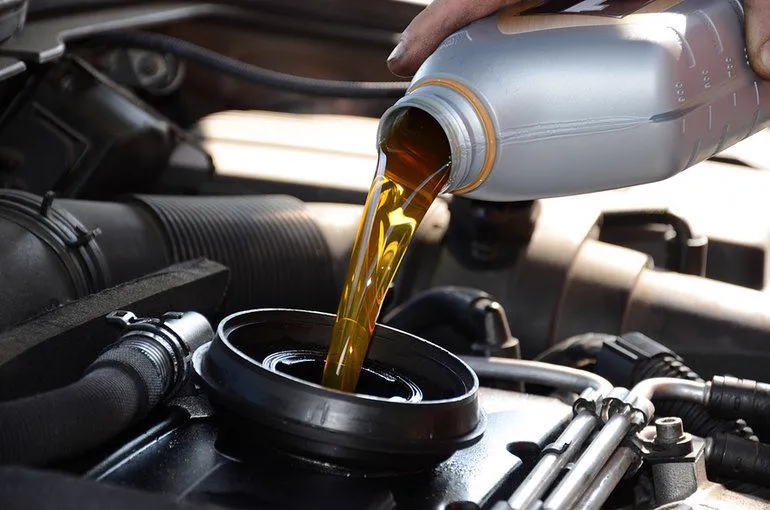
  • Low engine oil
  • Incorrect oil viscosity
  • Low oil pressure
  • Failed chain tensioner
  • Worn or broken guides
  • VVT solenoids
  • Camshaft actuators / phasers
  • Camshaft position sensors
  • Crankshaft position sensors
  • Wiring / connectors
  • Oil-control problems
  • Sludge
  • Mechanical engine wear
  • Actual timing-chain stretch

A rattle or timing code does not automatically mean the chain needs to be replaced.

Our job is to determine the actual failure first.

What Can Cause Timing-Chain-Like Symptoms?

Each system depends on the one above it. Sensors and wiring report on all of them.

  1. Engine oil / oil pressure
  2. VVT control
  3. Tensioner / guides
  4. Timing chain
  5. Cam / crank synchronization
Sensors and electrical inputs
  • Camshaft position sensors
  • Crankshaft position sensor
  • VVT solenoid circuits
  • Wiring and connectors

Signs Your Timing Chain May Need Attention

What you notice, what it may point to and why testing matters for each one.

Rattle When Starting

What you notice: A brief metallic rattle for a second or two on a cold start, then it quiets down.

What it may indicate: Chain slack, a tensioner that is slow to pump up, worn guides, an oil-pressure delay or VVT components.

Why testing matters: Several of these parts make a similar sound. Testing tells us which one is actually loose or worn.
Check Engine Light

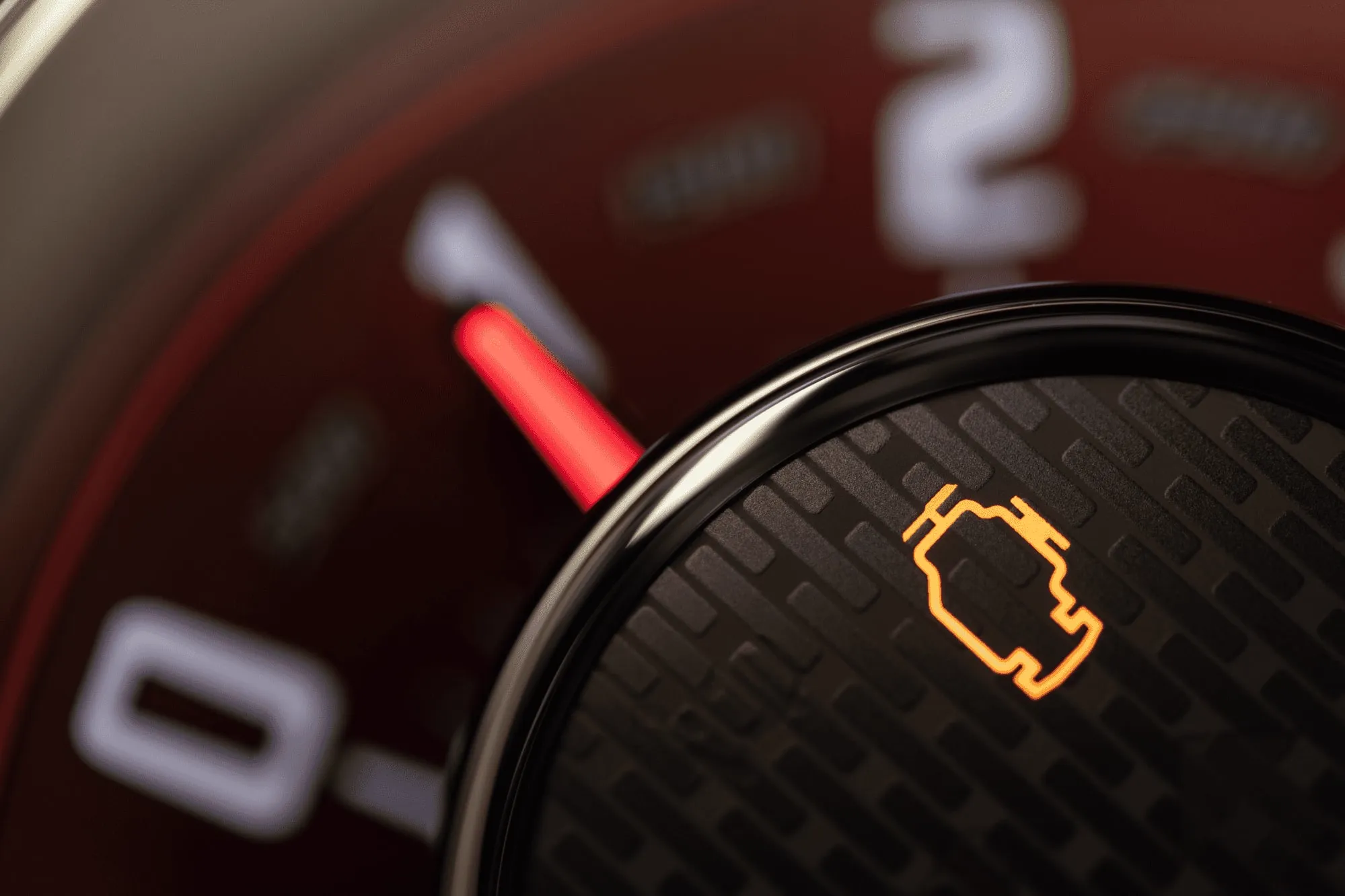
What you notice: The engine light comes on, sometimes with no change in how the car drives.

What it may indicate: Timing-related codes can point to mechanical OR electrical faults, including sensors, wiring and VVT control.

Why testing matters: A code alone does not prove the chain has failed. We confirm the cause before recommending a repair.

Rough Idle / Misfire

What you notice: Shaking at idle, stumbling or a misfire, often with the engine light on.

What it may indicate: Incorrect valve timing can affect combustion. So can ignition, fuel, vacuum leaks, compression and other engine issues.

Why testing matters: Misfires have many causes. Ruling out the simple ones first protects you from an unnecessary major repair.

Hard Starting

What you notice: Long cranking before the engine fires, or it starts and stumbles.

What it may indicate: Cam/crank synchronization problems may affect starting, but so can fuel, ignition, sensor and battery issues.

Why testing matters: Further testing is required before anyone can say timing is the reason.

Loss of Power

What you notice: The engine feels weak, slow to accelerate or flat under load.

What it may indicate: Incorrect timing may reduce performance, but this symptom is not timing-chain-specific.

Why testing matters: We use live data to see whether cam timing is actually where it should be.

Metallic Engine Noise

What you notice: A persistent rattle or slapping noise from the front of the engine while running.

What it may indicate: Worn guides, a failed tensioner, a stretched chain or another internal mechanical concern.

Why testing matters: Persistent mechanical rattling should be evaluated promptly to limit the risk of further damage.

A code is a starting point

Timing Chain Codes We Diagnose

Common camshaft/crankshaft correlation and timing code families include:

P0016P0017P0018P0019P0008P0009

We also diagnose related manufacturer-specific camshaft and crankshaft timing codes.

A trouble code tells us where to start testing, not which part to replace.

Diagnosis may include

  • Scan data
  • Cam/crank correlation
  • Oil level
  • Oil condition
  • Oil pressure where appropriate
  • Commanded vs actual cam timing
  • VVT operation
  • Camshaft actuators / phasers
  • Timing-chain condition
  • Electrical circuits
  • Mechanical timing

Have another engine light code? See our check engine light diagnostics.

From Code or Rattle to a Confirmed Diagnosis
  1. Rattle / timing code
  2. Verify complaint
  3. Check oil / lubrication
  4. Scan data / cam-crank correlation
  5. VVT / sensor / electrical testing
  6. Mechanical testing if needed
  7. Confirm failure
  8. Repair recommendation

Symptoms and codes guide testing. They do not replace diagnosis.

Don't guess with a major engine repair

How We Diagnose Timing Chain Problems

Inspect → Test → Confirm → Repair Plan

  1. Step 1 · Inspect

    Verify the Complaint

    • Startup rattle
    • Running noise
    • Misfire
    • Drivability concern
    • Warning lights
  2. Step 2 · Inspect

    Scan the Vehicle

    • Stored codes
    • Pending codes
    • Manufacturer-specific data
    • Freeze-frame data
  3. Step 3 · Test

    Analyze Live Engine Data

    • Commanded camshaft timing
    • Actual camshaft timing
    • Cam/crank relationship
    • Related VVT values
  4. Step 4 · Test

    Inspect Lubrication / VVT

    Timing tensioners and VVT systems often depend on correct oil pressure and oil flow.

    • Oil level and condition
    • Correct oil specification
    • Oil pressure
    • VVT solenoids
    • Oil-control passages
    • Cam actuators / phasers
  5. Step 5 · Confirm

    Mechanical Testing

    When needed:

    • Verify mechanical timing
    • Compression
    • Oil pressure
    • Related engine condition
  6. Step 6 · Repair Plan

    Show You What We Found

    • Findings
    • Explanation
    • Repair recommendation
    • Written estimate before major work begins
The timing system is more than one part

Timing Chain Repair Is More Than Just a Chain

Depending on the engine design, the diagnosis, component condition and the manufacturer's procedure, a professional repair may involve:

  • Timing chain
  • Timing-chain guides
  • Hydraulic / mechanical tensioners
  • Sprockets / gears
  • Camshaft phasers / actuators
  • Seals
  • Gaskets
  • Timing cover seals
  • Oil-related components when required
  • Water pump, where the engine design makes it relevant

Not every vehicle needs all of these. The exact repair depends on the engine design and what testing shows has failed.

Simplified Timing Chain SystemA chain loops around a crankshaft sprocket at the bottom and two camshaft sprockets at the top, with a guide on one side, a tensioner on the other and a cam phaser on one camshaft.CamshaftCamshaft + VVT phaserCrankshaft sprocketGuideTensionerTiming chain
Simplified Timing Chain System. The chain keeps the crankshaft and camshaft(s) synchronized. Guides and the tensioner control slack. Layouts vary by engine.

Timing Chain vs. Timing Belt

Timing Chain

  • Usually metal
  • Generally located inside or partially inside the engine
  • Lubricated by engine oil on most designs
  • Often designed for long service life
  • May develop chain stretch, tensioner or guide problems

Timing Belt

  • Reinforced belt material
  • Often has a manufacturer-defined replacement interval
  • Commonly replaced preventively
  • Failure can cause significant engine damage on some interference-engine designs

Need timing belt service instead? Our engine repair team handles timing belt service too.

Can You Drive With a Bad Timing Chain?

Not every timing noise means immediate failure. But a seriously worn chain, failed tensioner, damaged guide or incorrect mechanical timing can allow valve timing to move farther out of specification. On some engine designs, a timing failure can result in valve and piston contact and major internal damage.

Driving may create additional risk if the engine is:

  • Rattling heavily
  • Running poorly
  • Flashing the check engine light
  • Stalling
  • Showing a low oil pressure warning

We recommend having it diagnosed before unnecessary continued driving.

Repair the timing system or replace the engine?

Timing Chain Repair or Engine Replacement?

Timing Chain Repair

May be appropriate when:

  • Timing components are worn or damaged
  • Engine internals remain healthy enough
  • Compression is acceptable
  • Lubrication system condition is acceptable
  • The repair is economically reasonable

Engine Replacement

May become appropriate when:

  • Timing failure caused significant valve or piston damage
  • Severe oil starvation caused broader engine damage
  • Compression damage is extensive
  • Internal damage makes repair economically unreasonable

We do not recommend replacing an engine simply because it has timing-related symptoms. We test the engine first.

Learn more about engine repair and when engine replacement makes sense.

Already have a major repair estimate?

Told You Need a Timing Chain or Engine?

Before authorizing major engine work, Beach Auto & Transmission Repair can perform its own diagnosis to determine whether the timing chain, tensioner, guides, VVT system, lubrication system or another engine problem is actually responsible.

Why timing chain repair cost varies

How Much Does Timing Chain Repair Cost?

There is no single price for timing chain repair. The cost depends on:

  • Make and model
  • Engine configuration
  • Number of chains
  • Engine accessibility
  • Labor time
  • Cam phasers
  • Tensioners
  • Guides
  • Seals and gaskets
  • Water-pump relationship, where applicable
  • Additional engine damage
  • Parts quality
  • Manufacturer procedures

Your vehicle receives a written estimate after diagnosis and before repairs are authorized.

Timing Chain Service for Many Makes & Models

Timing system designs differ from engine to engine. We diagnose domestic and import cars, SUVs and light trucks.

See all vehicles we service

Timing Chain Repair Near You in Virginia Beach

Our shop is at 5564 Virginia Beach Blvd, Virginia Beach, VA 23462, convenient to Kempsville, Town Center, Pembroke and Lynnhaven. Drivers from Norfolk, Chesapeake, Portsmouth and Suffolk also bring their vehicles to us for engine timing diagnosis.

Can't make it during the day? Use our after-hours drop-off.

Get directions

Why Virginia Beach Drivers Choose Beach Auto & Transmission Repair

  • Advanced engine diagnostics
    We diagnose the cause before selling the repair.
  • Major engine repair capability
    Timing-system work is significantly more involved than routine maintenance.
  • Digital vehicle inspections
    Where applicable, findings are documented so you can see them.
  • Written estimates
    Major work requires your authorization.
  • Warranty on qualifying repairs
    Written terms apply. See warranty details
  • Local Virginia Beach shop
    Serving Virginia Beach since 2010.
Customer Reviews

What BATR Customers Say

Timing Chain Repair FAQs

Common signs include a startup rattle, front-of-engine noise, a check engine light with cam/crank timing codes, rough running or hard starting. These symptoms can also come from tensioners, guides, VVT parts, oil pressure or sensors, so testing is the only way to know whether the chain itself is the problem.

Usually a metallic rattle or slapping noise from the front of the engine, often most noticeable for a few seconds on a cold start. A failing tensioner, worn guides or VVT components can make a very similar sound.

Yes. If the chain, tensioner or guides allow cam timing to drift, the engine computer can set cam/crank correlation codes such as P0016 or P0017. Those same codes can also be caused by sensors, wiring, VVT solenoids or oil problems.

No. A trouble code tells us where to start testing, not which part to replace. We check oil level and condition, live cam timing data, VVT operation, sensors and wiring, and mechanical timing when needed before recommending a repair.

Chain stretch is wear in the chain's pins and links over time. Oil condition, oil change history, oil level and the specific engine design can all play a role. Wear in tensioners and guides often happens alongside it.

It can contribute. Many tensioners and VVT systems rely on oil pressure and oil flow, so low oil, the wrong viscosity or sludge can cause timing noise or timing codes. That is why we check lubrication early in the diagnosis.

Not every timing noise means immediate failure, but a heavy rattle, rough running, a flashing check engine light, stalling or a low oil pressure warning can mean more risk with continued driving. Have it diagnosed before driving it more than necessary.

It can. If timing moves far enough out of specification, or a chain or guide fails, some engine designs can suffer valve and piston contact and major internal damage. Early diagnosis gives you the best chance of a timing repair instead of a larger engine repair.
Get the right answer before the big repair

Think You Have a Timing Chain Problem?

Rattling, timing codes, rough running and startup noise can come from several different engine problems. Let Beach Auto & Transmission Repair identify what is actually wrong before you spend money on a major repair.

Already have a timing chain or engine estimate? Get a second opinion

Written findings. Clear recommendations. No repairs without authorization.