
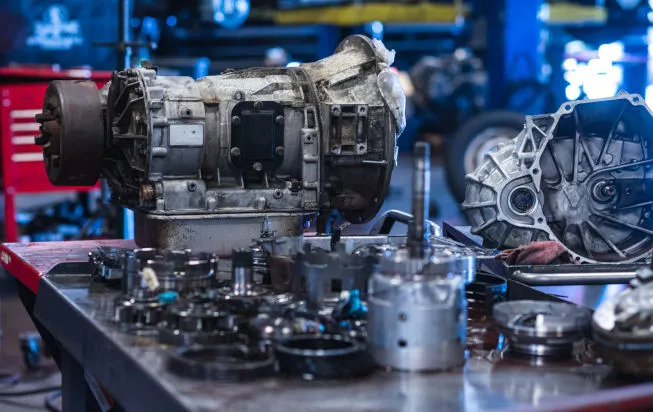
Transmission Replacement in Virginia Beach, VA
A transmission problem does not automatically mean the transmission needs to be replaced. Beach Auto & Transmission Repair diagnoses the problem first and helps you compare repair, rebuilding and replacement based on the condition of the transmission, the vehicle and the overall economics of the repair.
We diagnose before we recommend. Some transmissions can be repaired, some can be rebuilt, and some are better replaced. The evaluation comes first.
Not sure the transmission has failed yet? Start with transmission repair and diagnostics in Virginia Beach.
- Review your symptoms and what led up to them
- Scan applicable modules and review live data
- Inspect fluid level, condition and the pan where appropriate
- Pressure and road testing when it is safe and useful
- Written findings and options before any unit is ordered
Does Your Transmission Really Need Replacement?
Symptoms do not automatically prove complete transmission failure. The same complaint can come from fluid level or condition, a solenoid, a sensor, wiring, a valve body concern, software, or genuine internal damage. Some transmission problems are repairable without replacing the entire unit, and replacing a transmission that could have been repaired is an expensive mistake.
That is why diagnosis comes before replacement here. If you are still trying to find out what is wrong, start with transmission repair and diagnostics in Virginia Beach. If a warning light is part of the picture, our check engine light diagnostics are a sensible starting point.
Slipping
The engine revs without the vehicle accelerating the way it should. Slipping can come from fluid level and condition, pressure control or internal wear, and testing separates them.
Delayed engagement
A pause before the transmission takes hold can be a fluid, pressure or control concern rather than a failed unit.
Harsh shifting
Hard or abrupt shifts can be caused by solenoids, valve body concerns, software or internal damage, and each leads somewhere different.
Inability to move
A vehicle that will not move under power needs the cause established before any replacement is discussed.
Loss of certain gears
Missing specific gears often narrows the problem down considerably once pressures and live data are checked.
Transmission warning light
Many transmission codes point to electronic or sensor concerns rather than a mechanically failed transmission.
Fluid contamination
Burned or contaminated fluid, or metal and friction material in the pan, tells us something about internal condition.
Internal mechanical failure
Internal damage changes the options available, so we verify what is actually damaged before recommending anything.
Excessive noise
Whining, grinding or bearing noise can come from inside the transmission or from related drivetrain components.
Repeated transmission problems
When the same concern keeps returning, it is worth evaluating the whole unit instead of one part at a time.
Major internal damage
Extensive internal damage is one of the situations where installing a replacement unit can be the better use of your money.
Failure after prior repairs
A transmission that failed after previous work needs the underlying cause identified, not just another unit installed.
Transmission Repair vs Rebuild vs Replacement
None of these three is automatically the best answer. Diagnosis, the condition of the unit, vehicle value, parts availability, how long you plan to keep the vehicle and the total economics of the repair all influence which one makes sense.
Transmission Repair
Best when the failure is isolated, the problem involves external components, solenoids, sensors or controls are involved, internal damage is limited, and replacing the whole unit is unnecessary. The existing transmission stays in the vehicle.
Transmission repair and diagnosticsTransmission Rebuild
Your existing transmission is removed, disassembled, inspected and rebuilt using appropriate internal components when rebuilding is the appropriate repair path. This keeps the original unit in your vehicle.
Transmission rebuild serviceTransmission Replacement
The failed transmission is removed and replaced with another transmission unit, which may be used, remanufactured or another appropriate replacement depending on the vehicle and what is available.
Transmission Replacement Options
When replacement is the right call, there is usually more than one way to do it. Which option fits depends on your vehicle, what can be sourced for it and how long you plan to keep it.
Used Transmission
A used transmission can be a practical lower-cost option depending on mileage, condition, availability and the value of your vehicle. Used units vary in mileage and prior history, and coverage is not the same in every situation, so we go over what applies to your specific repair before anything is ordered.
Remanufactured Transmission
A professionally remanufactured transmission may offer a stronger long-term replacement option depending on vehicle application, availability and how long you plan to keep the vehicle. Availability and terms differ by application, so we confirm what is actually available for your vehicle rather than promising terms in advance.
Other Replacement Options
Depending on the vehicle, additional replacement transmission options may be available. We check what can be sourced for your year, make, model and drivetrain configuration, then include it in the written comparison so you can weigh cost, availability and expected service life together.
When Does Transmission Replacement Make Sense?
This is a money decision as much as a mechanical one, and it is different for every vehicle. There are no universal thresholds. We evaluate the vehicle, tell you what we found and lay out what each path would cost so the decision is a rational one.
Sometimes the honest answer is that the transmission is worth replacing. Sometimes it is that the rest of the vehicle does not justify it. We will say either one.
- Extent of the internal damage
- Cost of a targeted repair
- Cost of rebuilding the existing unit
- Availability of a replacement unit
- Vehicle mileage
- Overall condition of the vehicle
- Current value of the vehicle
- How long you expect to keep the vehicle
- Prior transmission repairs
- Condition of the rest of the drivetrain
- Warranty considerations
- How much downtime you can accept
What Does Transmission Replacement Cost?
There is no single transmission replacement price, and any shop that quotes one over the phone without seeing the vehicle is guessing. Cost varies according to the following:
- Year, make and model
- Transmission type
- Front-wheel, rear-wheel or all-wheel drive configuration
- Used or remanufactured replacement unit
- Availability of a replacement transmission
- Labor required to remove and install
- Required fluid type and volume
- Seals and gaskets
- Transmission and drivetrain mounts
- Cooler and cooler-line condition
- Programming requirements
- Relearn and adaptation procedures
- Transfer case and related drivetrain considerations
- The underlying cause of the failure
Used vs Remanufactured Transmission
Neither option is automatically better. This is a side-by-side look at how they usually differ so you can weigh them against your vehicle and your plans for it.
| Consideration | Used Transmission | Remanufactured Transmission |
|---|---|---|
| Initial cost | Often lower to acquire | Usually higher than a comparable used unit |
| Best suited to | Older vehicles and shorter expected ownership | Vehicles you plan to keep longer |
| Mileage and history | Carries prior mileage and unknown history | Built as a remanufactured assembly |
| Condition | Varies from unit to unit | Built to a defined production process |
| Availability | Can sometimes be sourced faster | Varies by vehicle application |
| Warranty terms | Vary by unit and supplier | Vary by unit and supplier |
Availability and warranty terms vary by unit and supplier, so we confirm what applies to the specific transmission being installed in your vehicle rather than quoting terms in advance.
Our Transmission Replacement Process
Not every vehicle follows an identical process, because transmission designs, failures and service procedures differ. This is the sequence we work through and adapt to your vehicle.
- 1
Customer consultation
We start with your description of what the vehicle is doing, when it started and any recent work or towing.
- 2
Diagnostic evaluation
Scan applicable modules, review live data, inspect the fluid and perform pressure and road testing where appropriate.
- 3
Confirm transmission failure
Establish that the transmission itself has failed rather than a sensor, control, wiring or external concern.
- 4
Determine the appropriate path
Decide whether repair, rebuilding or replacement fits the findings, the vehicle and your situation.
- 5
Discuss replacement options
Review used, remanufactured and other replacement possibilities along with availability for your vehicle.
- 6
Prepare a written estimate
Put the recommended work, parts and related items in writing so you can see the whole repair.
- 7
Obtain customer authorization
Nothing proceeds until you review the estimate and authorize the work.
- 8
Source the transmission
Locate a replacement unit appropriate for your vehicle and intended use.
- 9
Verify compatibility
Confirm the unit matches your application, drivetrain configuration and required components.
- 10
Remove the failed transmission
Remove the transmission following the service procedures for your specific vehicle.
- 11
Inspect related components
Check mounts, cooler and cooler lines, axles, driveshafts, converter and related drivetrain items.
- 12
Install the replacement transmission
Install and reconnect the mechanical, hydraulic and electrical connections to specification.
- 13
Service fluids, seals and components
Fill with the correct fluid and replace the seals and components the job requires as applicable.
- 14
Programming and relearn procedures
Perform the programming, adaptation or relearn procedures your vehicle calls for where required.
- 15
Check transmission operation
Verify shift quality, pressures, temperature and live data before the vehicle goes anywhere.
- 16
Road test and final inspection
Road test when appropriate and complete a final quality-control inspection.
- 17
Delivery and warranty explanation
Walk you through what was done and explain exactly which coverage applies to your repair.
Transmission replacement is not a same-day service. You get a realistic timeline with your written estimate once diagnosis is complete.
What Caused the Transmission to Fail?
This question matters as much as the replacement itself. Installing a transmission without identifying what caused the first one to fail can lead to another failure, and that is a cost nobody wants to pay twice.
We inspect the related systems and correct the contributing causes where appropriate, including cooling system concerns and drivetrain items such as differential repair when the findings call for it.
Overheating
Heat is the most common reason automatic transmissions fail early. If the unit ran hot, we look for why.
Fluid loss
A leak that went unnoticed can damage a transmission quickly, and the leak has to be corrected as part of the job.
Cooler restriction
A restricted cooler or cooler line reduces flow and cooling, and it can take out a replacement unit too.
Contaminated fluid
Debris from the failure can remain in the cooler and lines, so contamination is addressed before a new unit goes in.
Internal mechanical wear
High mileage and long service intervals wear clutches, bushings and hard parts over time.
Electronic and control problems
Sensors, solenoids, wiring and software concerns can drive symptoms and, in some cases, contribute to damage.
Neglected maintenance
Fluid that was never serviced, or serviced with the wrong fluid, shortens transmission life.
Towing and overload conditions
Towing, heavy loads and hard use raise operating temperature and stress internal components.
Related drivetrain problems
Mounts, axles, driveshafts, the torque converter and differential concerns can all play a role.
Transmission Replacement Warranty
Applicable Terms Provided With Your Estimate and Invoice
Warranty coverage on a transmission replacement can vary depending on the transmission supplied, the parts source and the repair performed. Rather than publish terms that may not apply to your job, we state the coverage that applies on your written estimate and invoice.
Ask us about the coverage applicable to your repair. We go over it before you authorize the work and again at delivery, so you know exactly what is covered on the unit installed in your vehicle.
Why Choose Beach Auto & Transmission Repair?
Transmission diagnostics
We test and verify the failure before recommending a major repair.
Major transmission repair
Transmission work is a core part of what this shop does, not an occasional job.
Transmission rebuilding
We rebuild transmissions when rebuilding is the appropriate repair path for your vehicle.
Transmission replacement
We remove failed transmissions and install replacement units when the findings support it.
Used transmission installation
We install used replacement transmissions when mileage, condition, availability and vehicle value support it.
Remanufactured transmission installation
We install remanufactured transmissions when a suitable unit is available for your vehicle.
Written estimates first
You see the estimate and authorize the work before anything is performed.
Virginia Beach location
5564 Virginia Beach Blvd, serving Virginia Beach and the surrounding Hampton Roads area.
Warranty-backed repairs
Applicable warranty terms are provided with your written estimate and invoice.
Transmission Replacement Questions
Related services worth checking
Most repairs pair naturally with another service. Bundle them in one visit and save yourself a second trip.
Transmission
Our Transmission services are crucial for the maintenance and repair of your vehicle's transmission system, responsible for controlling gear shifting and ensuring smooth and efficient power delivery to the wheels.
Transmission Rebuild
Transmission rebuilds done the right way: diagnose first, then remove, disassemble and inspect every internal component before deciding what gets replaced.
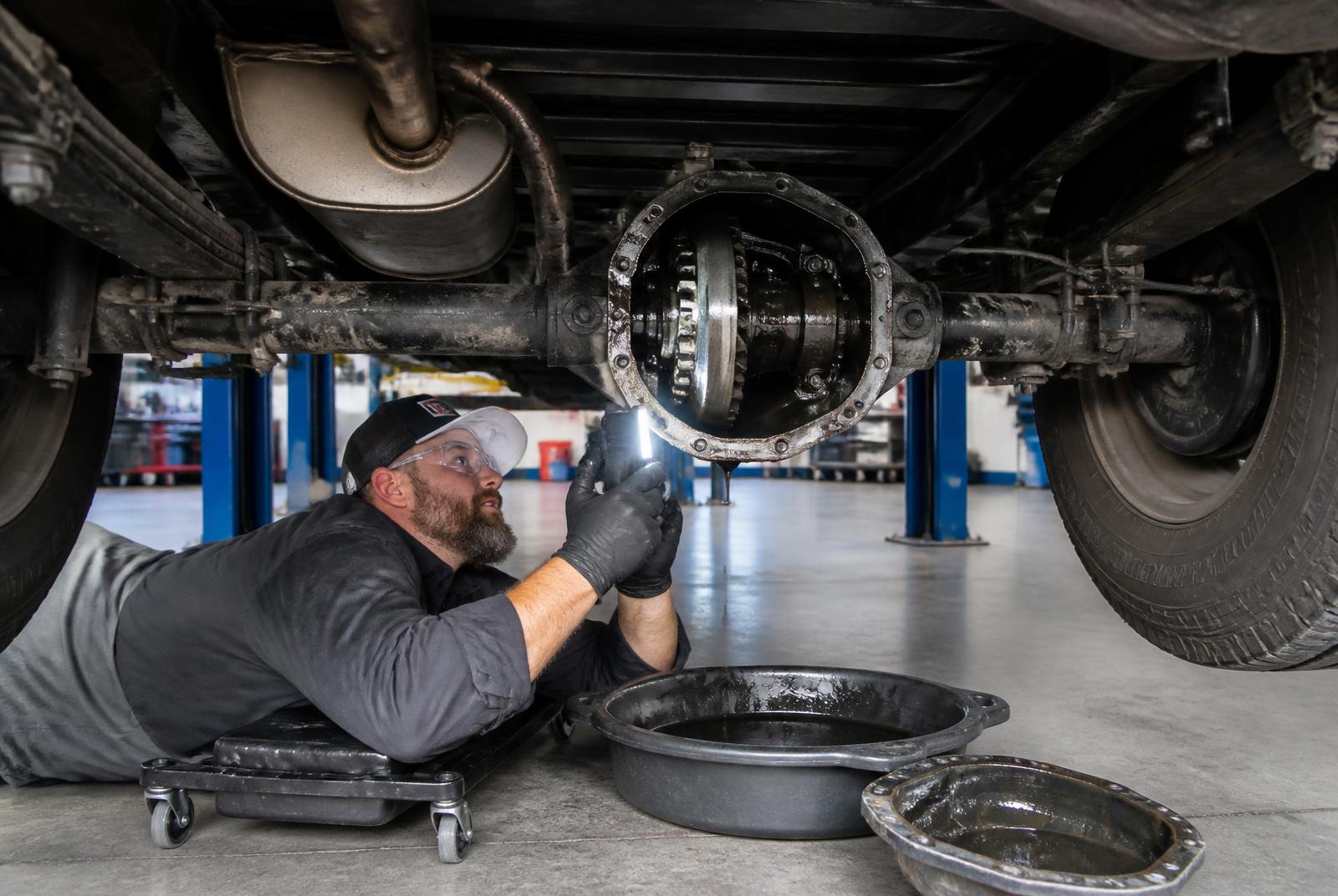
Differential Repair
Differential service and repair for rear, front and all-wheel-drive vehicles. We diagnose howling, whining and clunking from the axle, service gear oil, and replace worn bearings, seals and ring-and-pinion sets.