
Ticking / Unusual Engine Noise
May involve a tensioner, pulley, bearing, other timing-area components or a different engine component. It needs proper inspection.
Is Your Timing Belt Due by Mileage, Age or Service History?
Beach Auto & Transmission Repair provides vehicle-specific timing belt service for Virginia Beach drivers. We verify the exact engine and maintenance requirements, explain which related components should be serviced, and provide a written estimate before work is authorized.
Not sure when yours was replaced? Check your timing belt serviceYour vehicle has reached or is approaching the timing belt interval specified for its exact engine.
The vehicle's age or mileage suggests the manufacturer's schedule should be checked.
You cannot verify when the timing belt was last replaced.
Maintenance records do not confirm timing belt service.
Visible cracking, fraying, damaged teeth, oil contamination or coolant contamination where inspection is possible.
A leak or component concern may require access to the timing area.
You've been advised that the belt or related timing components are due.
Timing belt intervals are vehicle-specific.
The correct schedule depends on the manufacturer, model year, exact engine, mileage, age and maintenance schedule.
There is no universal interval. Timing belt replacement is based on mileage, age or both, and the schedule varies by manufacturer, model year and exact engine. The correct interval should come from the manufacturer's maintenance information for your engine. Not every vehicle has a timing belt; many engines use a timing chain instead.
The timing belt keeps the crankshaft and camshaft synchronized so the engine's valves open and close at the correct point in relation to piston movement.
Correct synchronization is essential for proper engine operation.
Timing belts are wear components. Unlike most timing chains, many timing-belt-equipped engines have a manufacturer-specified replacement schedule. Over time, belt material may:
If synchronization is lost, the engine may stop running. On interference-engine designs, internal engine damage may occur.
Not every timing belt failure causes internal engine damage.
But on an interference engine, the consequences can be significant.
In an interference engine, the pistons and valves occupy some of the same space at different times during normal operation. Correct timing keeps them apart. If synchronization is lost, contact may occur, with potential bent valves, piston damage, cylinder-head damage, compression loss or extensive engine repair.
Some engines are non-interference designs and may stop running without the same piston and valve contact risk. We confirm the exact engine before telling you which design you have.
Correct timing
Piston and valve movements stay synchronized.
Lost timing (certain interference engines)
Potential valve and piston contact.
Simplified illustration. Engine designs vary.
A vehicle can run normally shortly before a timing belt fails, and visible appearance alone does not always tell the full story. Service decisions should rely primarily on the manufacturer's schedule, age, mileage, service history, belt condition where inspection is possible and the condition of related components.
The best time to replace a timing belt is generally before it gives you a reason to think about it.
Symptoms are not the main guide for timing belt service, but these deserve a proper inspection.
May involve a tensioner, pulley, bearing, other timing-area components or a different engine component. It needs proper inspection.
If the timing belt has failed, the engine may crank without starting. If failure is suspected, avoid repeated cranking.
Incorrect mechanical timing can affect operation, but many ignition, fuel and compression problems produce similar symptoms.
Leaks may contaminate the belt or point to nearby seal or water pump concerns.
Where the belt can actually be inspected, cracking, fraying, missing material, damaged teeth or contamination may warrant service.
For an older used vehicle, a lack of reliable service records may matter more than any symptom.
On some engines the timing belt drives the water pump, or the pump sits behind the timing covers, so much of the labor to reach it overlaps timing belt labor. On those vehicles, replacing the water pump during scheduled timing belt service may make economic sense. Not every timing belt job needs a water pump.
We check the engine design and service information before recommending what should be done together.
Leaking pump or overheating? See our cooling system and water pump service.
Component location varies by engine.
The primary belt that keeps engine timing synchronized.
Maintains correct belt tension.
Guide and support the belt's routing.
May be driven by or located within the timing-belt system on certain engines.
Inspected where accessible and relevant.
May need service if water pump replacement opens the cooling system.
Often removed for access and may be inspected.
The exact parts required depend on the engine design, service information and condition of the components.
Verify → Review → Estimate → Service → Confirm
Hearing a timing-chain rattle or dealing with timing codes? See timing chain repair.
Timing belt replacement can be based on mileage, age or both. It varies by manufacturer, model year, exact engine, maintenance schedule and operating requirements, so a generic mileage or year rule can be wrong for your vehicle.
The correct interval for your vehicle should come from the manufacturer's maintenance information, not a generic rule.
If the exact engine uses a timing belt and reliable documentation is unavailable, unknown service history deserves attention. Mileage alone may not tell the complete story. We consider:
A sticker under the hood can be helpful. Documented service records are better.
An overdue belt may continue operating normally, but there is no reliable way to predict its exact failure date. If the manufacturer's replacement interval has passed, continued delay adds risk without improving the maintenance outcome.
Have it evaluated before unnecessary driving if there is:
Depending on circumstances, testing may include a mechanical timing inspection, compression test, leak-down test, borescope inspection, cylinder-head inspection or other engine testing. Repair paths range from timing-system repair to cylinder-head or engine repair, or engine replacement when severe damage makes it appropriate.
A broken timing belt does not automatically mean the engine must be replaced.
We determine the extent of damage first.
Replace the timing belt according to the correct maintenance schedule before failure occurs.
Timing has been lost and internal damage occurred, but the engine remains economically repairable.
Engine replacement may become more sensible if damage is extensive.
The best outcome is replacing the belt before a scheduled maintenance item becomes a major engine repair.
There is no single price for timing belt replacement. The cost depends on:
We provide a written estimate before repair work is authorized.
Our shop is at 5564 Virginia Beach Blvd, Virginia Beach, VA 23462, convenient to Kempsville, Town Center, Pembroke and Lynnhaven. Drivers from Norfolk, Chesapeake, Portsmouth and Suffolk also bring their vehicles to us for scheduled engine maintenance.
Can't make it during the day? Use our after-hours drop-off.
Get directionsTiming belt service often overlaps with engine repair, cooling system and water pump work, and engine diagnostics.
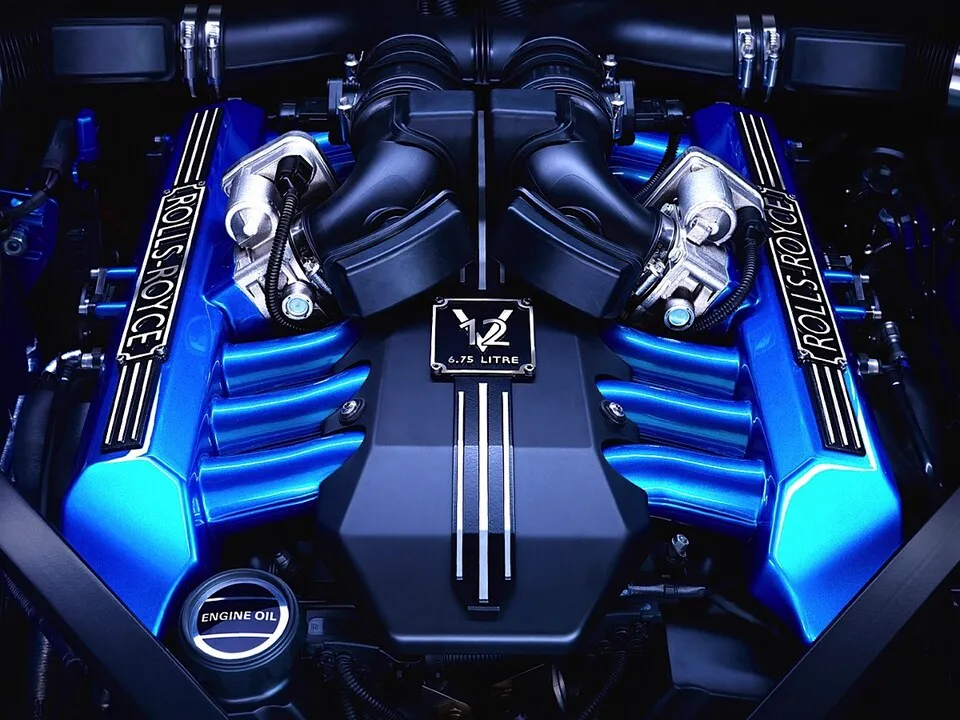
Our Engine Repair services are essential for diagnosing and fixing issues within your vehicle's engine, ensuring optimal performance, fuel efficiency, and overall reliability.
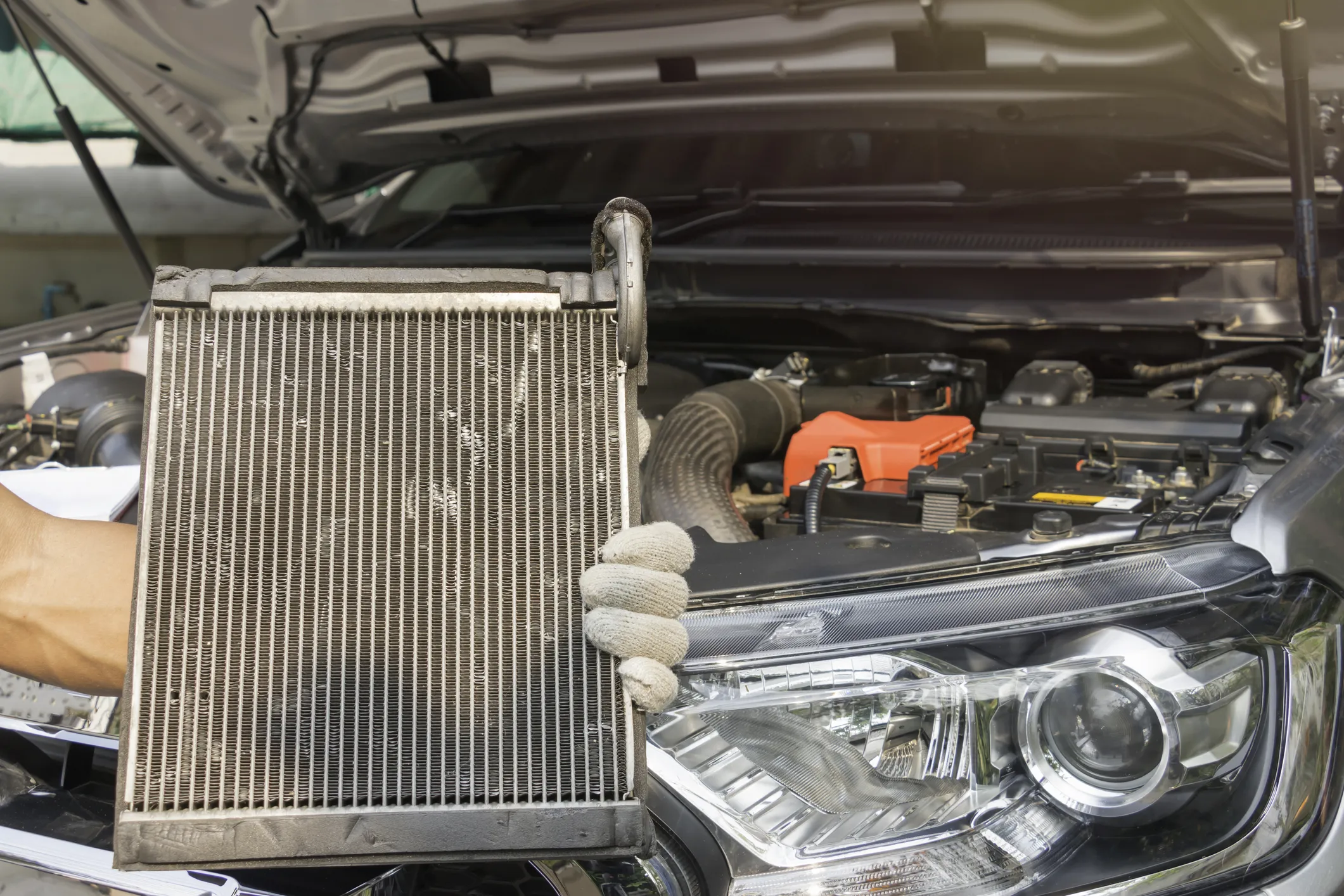
Our Radiator and Cooling system services are essential for maintaining and repairing the components responsible for regulating your vehicle's engine temperature, ensuring it runs at the ideal heat levels for optimal performance and longevity.
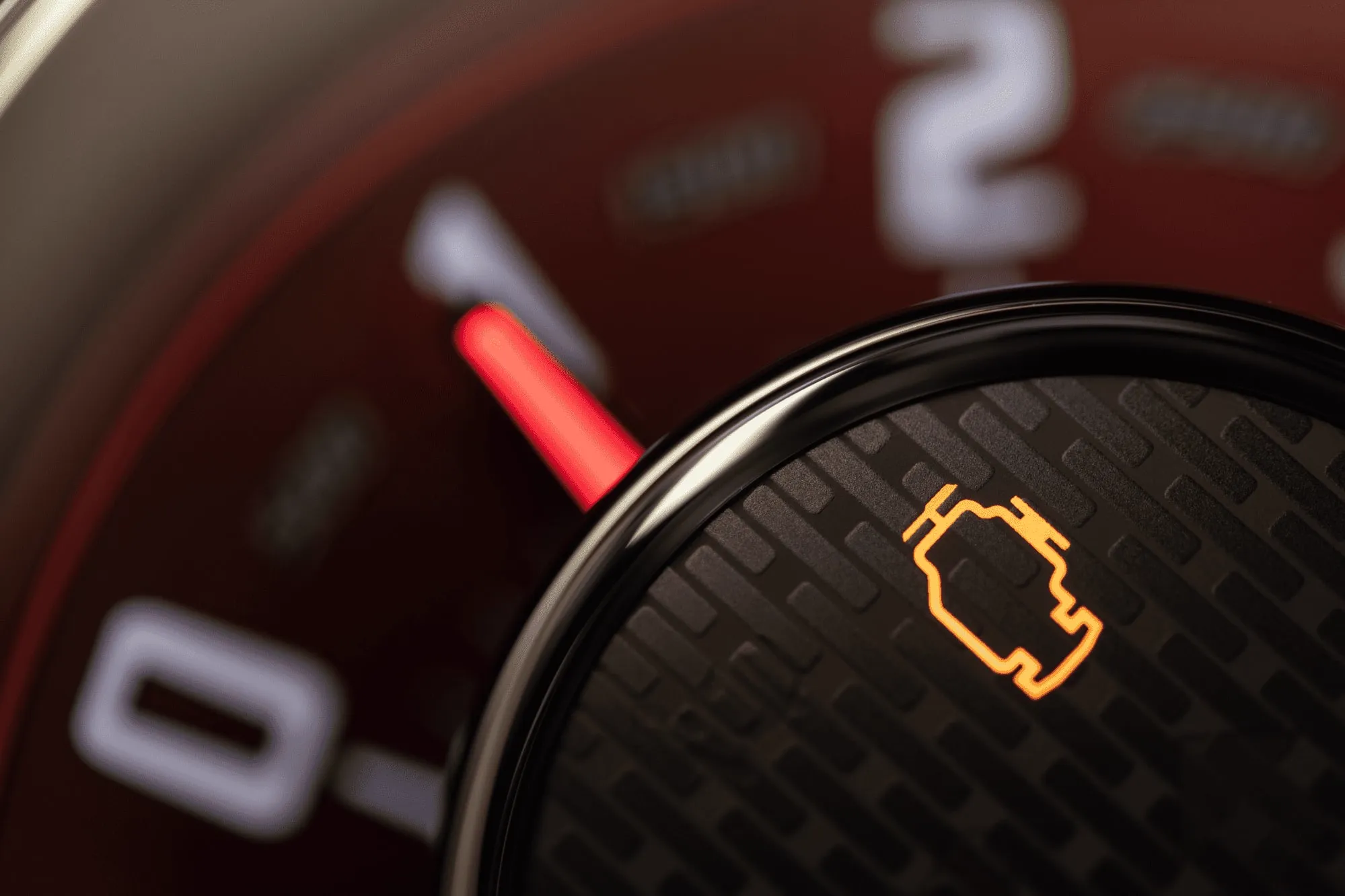
Our Check Engine Light services are aimed at diagnosing and resolving issues related to the illumination of the check engine light in your vehicle, ensuring your vehicle's engine and emissions systems are operating correctly.
If your vehicle is approaching its timing belt service interval, or you don't know when it was last replaced, schedule service before a maintenance item becomes an engine failure.
Vehicle-specific recommendations. Written estimates. No repairs without authorization.