
Gear Grinding
Grinds in many or all gears: often clutch drag, a hydraulic fault, air in the system or linkage adjustment.
Grinds mainly in one gear: often a worn synchronizer or engagement teeth for that gear.
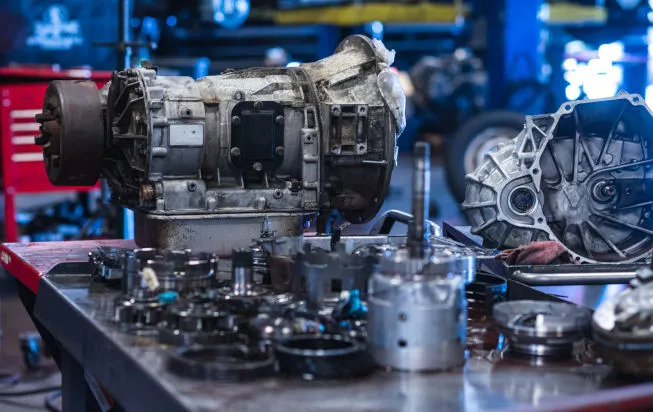
Grinding Gears? Popping Out of Gear? Hard to Shift?
Beach Auto & Transmission Repair diagnoses manual-transmission problems before recommending major repairs. Difficulty shifting can come from the clutch, hydraulic system, linkage, mounts or internal gearbox components. We determine which system is actually causing the problem and explain the repair options before major work begins.
Each symptom has more than one possible cause. Choose one to jump to what it usually means and what we check.
Grinding in one gear or several when you shift.
The shifter jumps back to neutral, often under load.
Gears feel stiff, notchy or resist engagement.
Difficulty selecting gears, especially from a stop.
Whine, howl or rumble that changes with speed or gear.
Vague gate, excess play or the shifter feels disconnected.
Gear oil spots under the car or wet bellhousing / seals.
Soft, sinking or high pedal, slipping or a burning smell.
Get the diagnosis confirmed before you pay for a gearbox.
A manual drivetrain has three systems that can produce similar symptoms. This table shows common patterns. It is guidance, not a diagnosis.
System 1
System 2
System 3
| Symptom | Clutch / hydraulic possibility | Linkage / shifter possibility | Internal transmission possibility | What BATR evaluates |
|---|---|---|---|---|
| Hard to select most or all gears with the engine running | Clutch not fully releasing, hydraulic fault, air in the system | Linkage or cable adjustment, worn bushings | Less likely when every gear is affected | Pedal travel, release, hydraulics and linkage first |
| One gear consistently grinds | Clutch drag can contribute | Linkage not fully engaging that gear | Worn synchronizer or gear for that position | Whether the pattern follows one gear |
| Pops out of gear | Not typically the clutch | Linkage, cable or shifter misadjustment, worn mounts | Detents, shift forks, worn engagement teeth | Mounts and linkage before internal causes |
| Shifts easier with the engine off | Points toward clutch release or hydraulics | Possible but less common | Less likely | Clutch release system and hydraulics |
| Shifter feels loose or vague | Not typically the clutch | Bushings, cables, shifter base, linkage | Internal shift rail wear in some cases | External shift components first |
Hard to shift does not automatically mean you need a transmission.
Symptoms give us direction. Testing determines the repair.
Verify the complaint, check fluid level and condition, leaks, mounts, linkage, cables and the clutch hydraulic system.
Road test when safe, check each gear, engine-on vs engine-off shifting, clutch release and noise patterns. Scan data is used only when the vehicle has related electronic controls, sensors or codes.
Separate clutch, hydraulic, linkage, mount and internal gearbox causes before anything major is removed.
Written estimate and your authorization before work begins. Repair or replacement options depend on what we find.
1. Symptom
Grinding, popping out, hard shifting, noise, leak.
2. Inspect & Test
Clutch, hydraulics, linkage, mounts, fluid, road test.
3. Root Cause
Which system actually failed.
4. Repair Plan
Written estimate, your authorization.
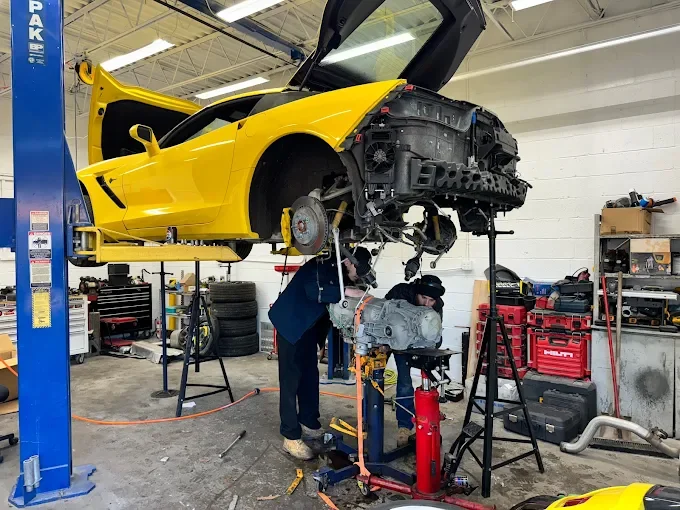
Grinds in many or all gears: often clutch drag, a hydraulic fault, air in the system or linkage adjustment.
Grinds mainly in one gear: often a worn synchronizer or engagement teeth for that gear.
Worn mounts and linkage problems can pull the shifter out of gear. Internal causes include worn detents, shift forks or engagement teeth. We check external causes first.
Noise that changes with road speed or gear often points to gearbox bearings or gears. Noise that changes with the clutch pedal points toward the release or pilot bearing.
Receives power from the clutch.
Pairs of gears that set each ratio.
Match gear speeds so shifts go in without grinding.
Forks, rails and detents that select and hold each gear.
Support the shafts. Worn bearings often cause whine or rumble.
Sends power to the driveshaft or axles (transaxles include the differential).
A loose, vague or sticking shifter is often caused by worn external parts. These are usually far less expensive than internal gearbox work.
Low gear oil can cause hard shifting, noise and internal wear. We locate the source before replacing seals.
Manual transmissions use specific fluids. Some call for gear oil, some for specialized manual transmission fluid and some for other approved fluids. The wrong fluid can change shift feel and wear. We use the type your vehicle specifies and check the condition of what comes out.
Once external causes are ruled out, internal problems may include:
Repair or replacement options depend on diagnosis, repairability, parts availability and economics.
Linkage, shifter bushings, mounts, seals or the clutch hydraulic system. The gearbox stays in place or comes out only for the seal.
When internal damage is limited and parts are available, the gearbox can sometimes be repaired rather than replaced.
When damage is extensive or repair is not the better value, a used, remanufactured or new unit may make more sense.
What decides it:
Vehicle condition: mileage, value and how long you plan to keep it.
Replacement availability: what units actually exist for your gearbox.
Economics: repair cost vs replacement cost and coverage.
Can be the most economical path for some vehicles. Condition and history vary, and availability depends on the vehicle.
Rebuilt to a defined standard by a remanufacturer. Availability and coverage terms depend on the vehicle and supplier.
Sometimes available from the manufacturer or an OEM-style supplier. Availability and cost vary widely by vehicle.
The clutch, flywheel, release bearing and rear main seal sit between the engine and the gearbox. When the transmission comes out, those parts become accessible.
We do not automatically replace everything that becomes accessible.
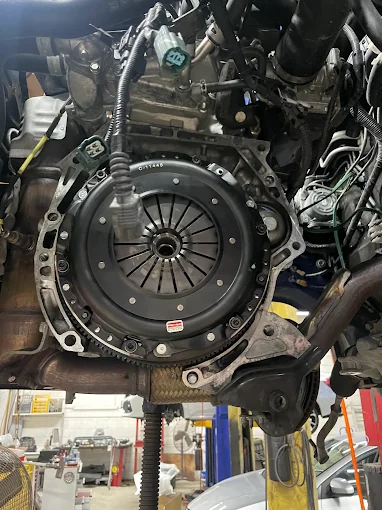
More power, track use and aggressive launches put extra load on the clutch and the gearbox. Tell us about any modifications, how the car is used and when the problem started. That helps separate a clutch that is no longer holding from internal gearbox wear.
Before you pay for a gearbox, get the diagnosis confirmed. We inspect and test the clutch, hydraulics, linkage, mounts and fluid, then explain what we find in plain language.
Bring any estimate or findings from the other shop if you have them. It helps us understand what was already checked.
There is no single price. We provide a written estimate before work begins.
Know the repair you're looking for?
Request pricingNot sure whether it's the clutch, linkage or gearbox?
Schedule diagnosisEstimates are free. Diagnostic testing that requires technician time is quoted before any work begins.
Domestic and import cars, light trucks and SUVs, front-wheel, rear-wheel, all-wheel and four-wheel drive. Call us if you are unsure about your vehicle. We do not service semi trucks or box trucks.
Vehicles we serviceManual transmission problems often involve the clutch or other drivetrain parts. These related services may help resolve the complete problem.
Clutch, hydraulic and flywheel diagnosis and repair, including performance clutch installation.
Our Transmission services are crucial for the maintenance and repair of your vehicle's transmission system, responsible for controlling gear shifting and ensuring smooth and efficient power delivery to the wheels.
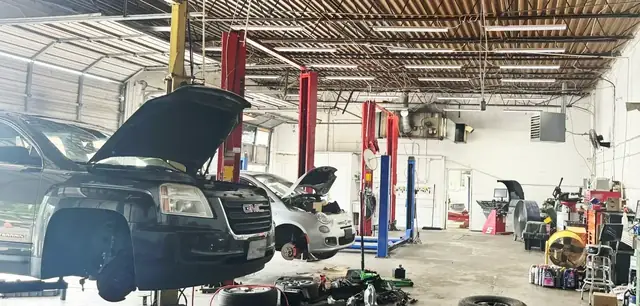
Replacement options when the gearbox itself has failed and repair is not the better value.
Grinding, popping out of gear and hard shifting can have several causes. Let us diagnose the problem before you authorize a major repair.