
Clutch Repair & Replacement
Clutch Repair & Replacement in Virginia Beach
Slipping? Hard to Shift? Grinding? Clutch Pedal Acting Differently?
These symptoms do not automatically mean the whole clutch needs replacing. The cause can be the clutch, the hydraulics or the transmission. Beach Auto & Transmission Repair diagnoses clutch problems, replaces clutches, services flywheels and hydraulics, and installs performance clutches when the application is right. Diagnose first. Repair what is necessary.
Or call (757) 600-2095Diagnosis First • Manual Transmission Expertise • Warranty on Qualifying Repairs
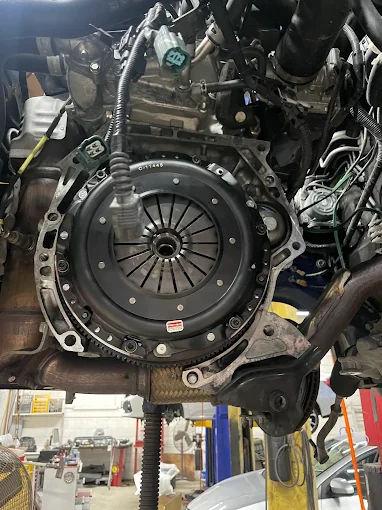
Start with the symptom
Is your clutch trying to tell you something?
Pick what you're noticing. Each one links to the part of this page that explains it.
Clutch slipping
RPM rises but the vehicle does not accelerate the way it should, often worst in higher gears or under load.
Hard or difficult shifting
Gears feel stiff, notchy or resist engagement, especially from a stop.
Grinding when changing gears
Grinding can mean the clutch is not fully releasing, or wear inside the gearbox.
Soft or spongy clutch pedal
A soft, sticking or sinking pedal usually points to the hydraulic or release system.
Engagement unusually high or low
The clutch now grabs at the very top of the pedal, near the floor, or the point keeps moving.
Burning smell after driving
A hot friction smell after traffic, launching or towing means the clutch is overheating.
Is it my clutch or my transmission?
Clutch, hydraulics or transmission?
Is It the Clutch or the Manual Transmission?
Clutch and gearbox problems often feel alike. This table shows common patterns only. It is guidance, not a diagnosis.
| Symptom | Often clutch or hydraulics | Often the gearbox |
|---|---|---|
| Engine revs, vehicle slow to accelerate | Worn clutch disc, oil contamination, pressure plate | Less common in the gearbox itself |
| Hard to get into any gear | Clutch not fully releasing, hydraulic fault | Shift linkage, synchronizers, internal wear |
| Grinding going into one gear | Clutch drag can contribute | Worn synchronizer for that gear |
| Pedal soft, sinking or sticking | Master or slave cylinder, release system | Rarely the gearbox |
| Noise that changes with pedal position | Release bearing, pilot bearing | Input shaft bearing |
| Pops out of gear | Not typically the clutch | Detents, shift forks, internal wear |
| Whine that changes with road speed | Not typically the clutch | Gearbox bearings or gears |
Do not diagnose from the table. The same symptom can have more than one cause.
Can I keep driving with a bad clutch?
Sometimes for a short time, but a failing clutch can leave you unable to move, unable to get out of gear, or stuck in traffic. Continued slipping creates heat that can damage the flywheel and pressure plate and raise the repair cost.
- Stop driving if the clutch will not disengage or the vehicle creeps with the pedal down
- Stop driving if you smell strong burning or see smoke
- Avoid towing and hard launches while the clutch is slipping
- A sinking pedal or fluid loss can turn into no clutch at all
How it works
How your clutch connects the engine to the transmission
Power flows from the engine through the flywheel and clutch disc into the transmission. The pressure plate and release bearing control whether that connection is made.
Step 1
Engine / Crankshaft
Makes the power and spins the flywheel.
Step 2
Flywheel
Bolted to the crankshaft. Gives the clutch a friction surface.
Step 3
Clutch Disc
Friction disc splined to the input shaft. Carries the power across.
Step 4
Transmission Input Shaft
Takes the power into the gearbox.
Pressure Plate
Clamps the clutch disc against the flywheel so the two turn together. It is not in the power path itself; it supplies the clamping force.
Release / Throwout Bearing
When you press the pedal, it pushes on the pressure plate's diaphragm (release mechanism), which releases the clamping force so the disc can slip free.
- 1
Crankshaft. Engine power comes out here.
- 2
Flywheel. Bolted to the crankshaft.
- 3
Clutch disc. Squeezed between flywheel and pressure plate.
- 4
Pressure plate. Clamps the clutch disc against the flywheel.
- 5
Release / throwout bearing. Pushes on the pressure plate diaphragm when you press the pedal, which releases the clamping force.
- 6
Transmission input shaft. Splined to the clutch disc. Carries power into the gearbox.
When you press the clutch pedal, the clutch temporarily disconnects engine power from the transmission so you can change gears.
What may actually be wrong
A clutch problem does not always mean the clutch itself has failed
Several parts work together. Any one of them can cause symptoms that feel like a worn-out clutch.
Clutch Disc
Slipping, burning smell, high engagement
The friction lining wears with use. Oil contamination or heat can make it slip early.
Pressure Plate
Slipping, chatter, uneven engagement
Weak or heat-damaged springs reduce clamping force, so the disc cannot hold full power.
Release / Throwout Bearing
Noise that changes with the pedal
A worn bearing can squeal or rumble when the pedal is pressed and usually requires clutch access to replace.
Master or Slave Cylinder
Soft or sinking pedal, trouble getting into gear
Leaks or air in the hydraulics stop the clutch from fully releasing. Often repaired without a new clutch.
Flywheel
Chatter, vibration, rattle at idle
A glazed, cracked or worn flywheel can make even a new clutch chatter or slip.
Hydraulic problems can mimic clutch failure
A soft or sinking pedal, trouble getting into gear or grinding can come from the hydraulic system rather than a worn clutch. These repairs are often smaller than a full clutch job. We check:
- Clutch master cylinder
- Clutch slave cylinder
- Concentric slave cylinder (internal on many vehicles)
- Hydraulic lines and hoses
- Fluid condition, contamination and leaks
- Air in the system and bleeding procedure
- Pedal assembly, pivot and return spring
- Clutch position switch where equipped
Our process: diagnosis
We diagnose the cause before recommending replacement
How do we find what's wrong? We inspect and test before anything major is removed. We do not replace expensive parts based only on a symptom.
Step 1
Listen to your symptoms
Step 2
Inspect clutch pedal operation
Step 3
Check the hydraulic system
Step 4
Road-test when appropriate
Step 5
Evaluate clutch and transmission behavior
Step 6
Identify the actual failure
Step 7
Recommend repair or replacement options
Inspect
Verify the symptom, check pedal feel, fluid level and condition, hydraulic lines, linkage, mounts and visible leaks.
Test
Road test when appropriate, check release travel, engagement point and slip under load. Scan data is used only when the vehicle has electronic clutch controls, position sensors, warning lights or related codes.
Confirm
Separate clutch, hydraulic, linkage and gearbox causes before anything major is removed.
Repair
Written estimate, your authorization, then the approved repair. No surprise add-ons.
Repair options
Repair or replacement?
Clutch-related repair may be enough
- Hydraulic leak
- Clutch master cylinder
- Clutch slave cylinder
- Linkage issue
- Adjustment where applicable
- Isolated bearing or component problem where appropriate
Clutch replacement may be needed
- Worn clutch disc
- Severe slipping
- Damaged pressure plate
- Failed release bearing requiring clutch removal
- Heat damage
- Related flywheel damage
When the gearbox itself is the cause, we explain the findings and the manual transmission repair or replacement options before any work. The correct recommendation depends on inspection and diagnosis.
If it needs replacing
Clutch work requires access, experience and careful diagnosis
What happens if your clutch actually needs to be replaced? On most vehicles the transmission has to come out to reach the clutch, which is why confirming the cause first matters before doing that labor.
Each item is inspected. Parts are replaced when inspection, the kit design or the application calls for it, not automatically.
- Clutch disc
- Pressure plate
- Release (throwout) bearing
- Pilot bearing or bushing where equipped
- Flywheel inspection, resurfacing or replacement
- Release fork and pivot where equipped
- Concentric or external slave cylinder evaluation
- Rear main seal and input shaft seal inspection for leaks
- Transmission and engine mount condition
- Correct fasteners and application-specific procedures
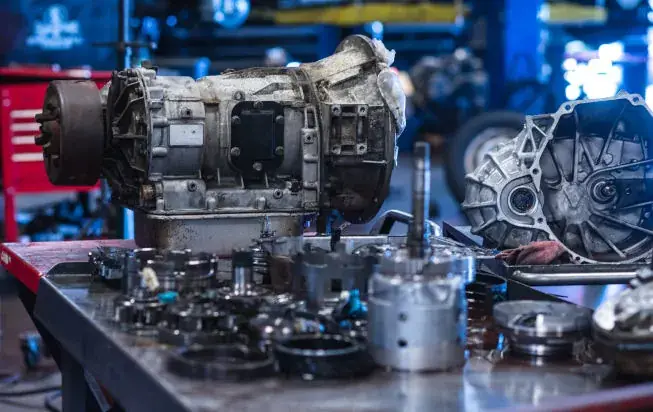
The clutch replacement process
- 1
Diagnose
- Verify symptoms
- Inspect hydraulics and linkage
- Determine likely repair path
- Estimate and customer authorization
- 2
Disassemble & Inspect
- Remove necessary components
- Remove transmission as required
- Inspect clutch assembly
- Inspect flywheel
- Inspect release system
- Inspect relevant newly accessible areas
- 3
Repair
- Contact you if findings change the approved repair scope
- Install approved components
- Reassemble
- Service, bleed and adjust applicable systems
- 4
Verify
- Verify clutch operation
- Road test when safe and appropriate
- Final inspection
- Explain applicable clutch break-in requirements
While we're in there
Other Things We Check While We're There
Flywheel condition
A new clutch on a damaged flywheel can chatter, slip or wear early, so it is inspected every time. Conventional (single-mass) flywheels are often resurfaced when within specification and replaced when cracked, heat-damaged or too thin. Many dual-mass flywheels, designed to reduce vibration, cannot be resurfaced and are replaced when worn, loose or noisy. Signs include rattle at idle and vibration on takeoff.
Rear main seal and oil leakage
Oil on the clutch can cause slipping and chatter. While the transmission is out, we check the rear main seal and input shaft seal for leaks. If a leak is found, we show you and quote it. We do not add a seal just because the transmission is out.
Transmission or gearbox concerns
Popping out of gear, grinding in one specific gear or bearing whine that changes with road speed often points inside the manual transmission. When that is the case, we explain the findings and whether repair or replacement makes more sense. Learn more on our Transmission Repair page.
Vehicle-specific clutch design and service requirements
We service manual transmission cars, trucks and SUVs from domestic, Asian and European manufacturers, including FWD, RWD and AWD layouts. Clutch designs, release systems and procedures vary by vehicle, and we follow the correct procedure for yours. We do not service semi trucks or box trucks. See the makes we service.
Why clutch prices vary
How Much Does Clutch Replacement Cost?
There is no single clutch price. We provide a written estimate once we know the vehicle and what it needs.
- Year, make and model
- FWD, RWD or AWD layout
- Transmission removal labor
- Clutch kit selection
- Flywheel type and condition
- Dual-mass vs conventional flywheel
- Hydraulic and release components
- Leaks found during access
- Performance clutch selection
- Parts availability
- Vehicle modifications
Estimates are free. Diagnostic testing that requires technician time is quoted before any work begins.
Good to know
Additional Clutch Repair Considerations
Performance clutches, customer-supplied kits and break-in. Open any topic for details.
A more aggressive clutch is not automatically a better clutch. We match the clutch to the vehicle's actual torque and how it is really driven.
What the selection is based on
- Actual engine torque, not the biggest advertised rating
- How the vehicle is really driven: daily, street, track, drag, autocross or towing
- Desired pedal effort and engagement feel
- Organic, ceramic or multi-disc friction tradeoffs
- Single-mass vs dual-mass flywheel and the noise and vibration that follow
- Compatibility with the transmission and release system
Tradeoffs to expect
- Heavier pedal effort
- Sharper, less forgiving engagement
- More chatter or gear rattle in traffic
- Additional noise, especially with lightweight flywheels
- Break-in requirements before full load
We work with clutch kits from popular manufacturers, including South Bend Clutch, Centerforce, SPEC, ACT, Exedy and Clutch Masters. Availability varies by application. Brand names belong to their respective owners; listing them is not an affiliation or endorsement.
Tell Us About Your Vehicle Before We Recommend a Clutch
Share what you know. If you do not know power or torque, leave it blank. Actual use and drivability matter more than the largest advertised torque rating.
- Year, make and model
- Engine and transmission
- Mileage
- Stock or modified
- Engine modifications
- Approximate power/torque if known
- Daily driver, street, track, drag, autocross or other use
- Current clutch and flywheel if known
- Do you already have a clutch kit selected or purchased? Yes / No / Unsure
- If yes: brand/manufacturer and part number if known
- Current symptoms
If you have already selected or purchased a clutch kit, we can install it.
- We inspect the kit for correct fitment and condition before installation begins.
- Coverage on customer-supplied parts comes from the parts manufacturer.
- Qualifying repairs are backed by our workmanship warranty.
- If the kit is not suitable for your vehicle, we explain why before any work starts.
Many clutches need gentle driving before full load. The requirement depends on the manufacturer and friction material, so we explain the instructions for the specific clutch installed instead of one universal mileage.
A stock daily driver is usually best served by an OEM-style clutch. Modified engines, added power or track use can exceed a stock clutch's capacity. Tell us about the modifications so the recommendation fits.
- Manual Transmission Diagnosis
- Clutch Repair
- Clutch Replacement
- Hydraulic Clutch Systems
- Flywheel Inspection
- Transmission Specialists
Why Beach Auto
Why Virginia Beach Drivers Choose BATR for Clutch Work
Diagnose before disassembly
We confirm the cause before recommending a clutch job whenever possible.
Whole manual drivetrain
Clutch, hydraulics, flywheel, linkage and gearbox are evaluated together.
Stock and performance
OEM-style replacement or a performance clutch matched to real use.
Explained before you pay
Written estimate and authorization before work, and again if findings change the scope.
Qualifying repairs are backed by our workmanship warranty. See warranty terms.
FAQ
Clutch Repair Questions
What Virginia Beach drivers say about our clutch repair
Related transmission services worth checking
Clutch problems can sometimes involve other transmission or drivetrain components. These related services may help diagnose or resolve the complete problem.
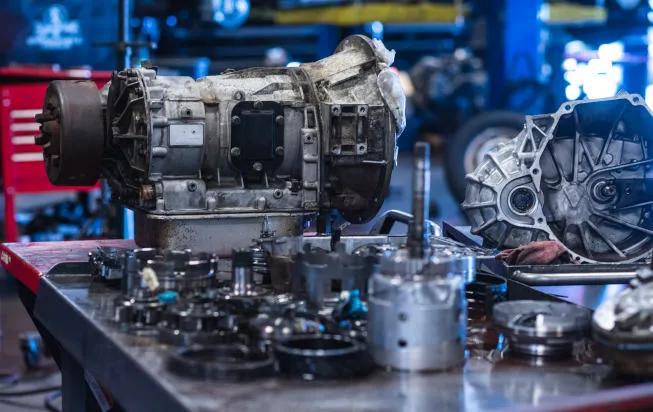
Transmission
Our Transmission services are crucial for the maintenance and repair of your vehicle's transmission system, responsible for controlling gear shifting and ensuring smooth and efficient power delivery to the wheels.
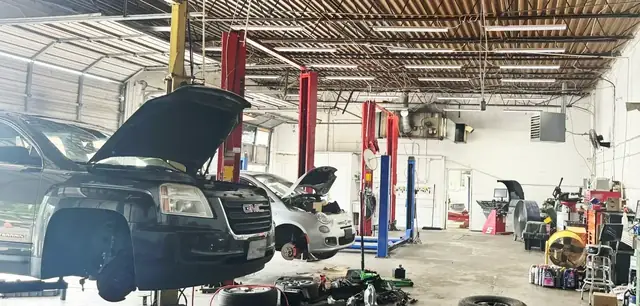
Transmission Replacement
Replacement options when the gearbox itself has failed and repair is not the better value.
Transmission Rebuild
Rebuild evaluation for transmissions with internal wear, after diagnosis confirms the cause.
Not sure whether it's the clutch or the transmission?
Slipping, grinding, shifting problems and unusual clutch-pedal behavior can have several causes. Let us diagnose the problem before you authorize a major repair.